
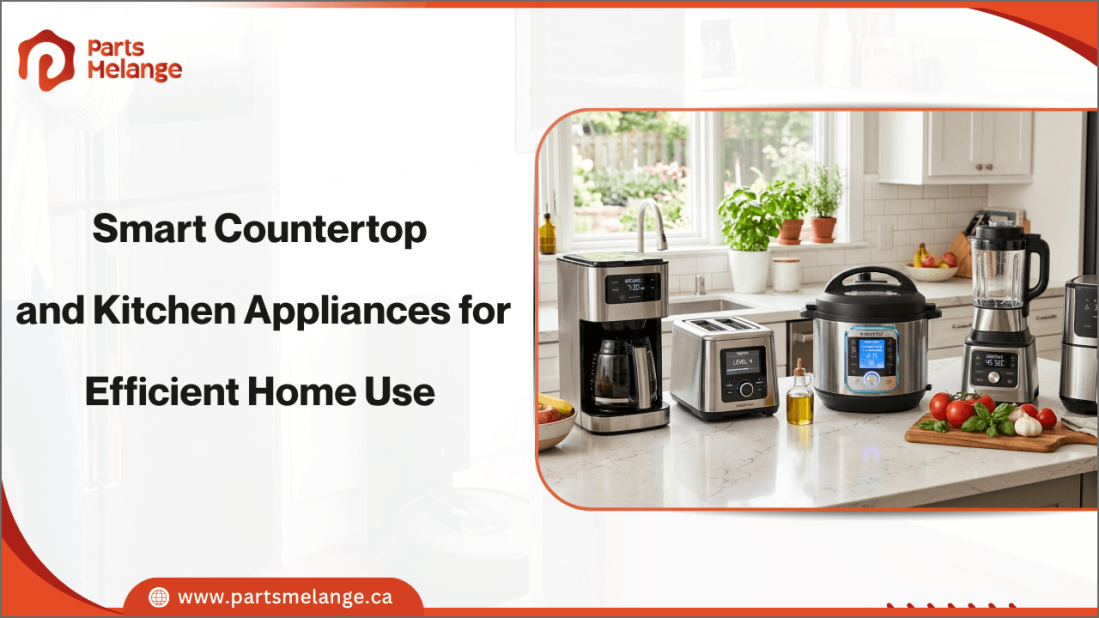
Smart kitchens are no longer a luxury feature, they are quickly becoming a practical upgrade for modern households. With the integration of smart countertops and connected appliances, everyday cooking tasks are becoming faster, more organized, and less dependent on manual effort. These technologies bring automation directly into food preparation, storage, and cleaning routines.
From touch-enabled surfaces to AI-powered appliances, kitchen systems are now designed to communicate with each other and respond to user needs in real time. This shift is helping homeowners save time, reduce energy usage, and improve overall kitchen efficiency without adding complexity to daily life.
This blog explains smart countertops, appliances, and their benefits for modern kitchens.
Understanding Smart Countertops and Modern Kitchen Automation
Smart countertops are transforming kitchens by turning traditional work surfaces into interactive cooking and control hubs. Instead of being used only for food preparation, they now support digital controls, guided cooking functions, and seamless connectivity with other kitchen appliances. This makes everyday cooking more structured, efficient, and easier to manage.
Key features include
Built-in induction cooking zones for flexible pan placement without fixed burners
Touch-sensitive controls for adjusting heat levels, timers, and settings
Embedded sensors to monitor temperature and cooking progress in real time
Wireless connectivity to sync with ovens, refrigerators, and mobile apps
Smart displays or guided cooking assistance in advanced countertop models
Modern kitchen automation connects all appliances into a single integrated system controlled through mobile apps or voice assistants. This allows users to manage cooking tasks, check appliance status, and coordinate timing more easily.
How Smart Kitchen Appliances Work Together for Daily Efficiency
Smart kitchen appliances connect through Wi Fi and ecosystems like Alexa or Google Home to coordinate cooking tasks, share data, and reduce manual effort during meal preparation.
Ingredient Tracking and Recipe Coordination
This feature identifies available ingredients and links them to suitable recipes for faster planning.
Fridge cameras detect items like milk, vegetables, and meat
Sensors track usage and quantity changes
Apps create and sync shopping lists automatically
Recipe systems suggest meals based on available stock
Example: Choosing “chicken pasta” automatically adds missing ingredients like cream or pasta to the shopping list.
Automated Cooking Adjustments
This ensures precise cooking by automatically controlling temperature and timing.
Smart ovens use probes to monitor internal food temperature
Convection airflow adjusts for even heating
Pre-set cooking modes set time and temperature automatically
Auto switch to warm mode after cooking ends
Example: Chicken is cooked to 165°F without manual checking.
Synchronized Timers and Workflow Control
This helps manage multiple dishes so everything finishes together.
Timers sync across oven, stove, and microwave
Cooking steps are automatically sequenced
Alerts coordinate finishing times
Dashboards show real-time progress
Example: Bread and pasta are timed to finish at the same moment for serving.
Voice and App-Based Control
This enables hands-free and remote management of appliances.
Voice commands control multiple devices at once
Apps show live appliance status
Remote access works outside the kitchen
Single commands trigger multiple actions
Example: “Dinner mode” starts the oven, lighting, and timers together.
Overall, this connected system improves cooking speed, reduces errors, and ensures better coordination between appliances, making everyday kitchen tasks more efficient and easier to manage.
ExploreTop Kitchen and Laundry Tech Trends 2026 Reshaping Smart Homes and discover the innovations transforming everyday home efficiency and convenience.
Key Features and Benefits of Smart Kitchen Technology in Daily Use
Smart kitchen technology combines connected appliances, sensors, and automation systems to improve cooking accuracy, reduce manual effort, and optimize energy use in everyday kitchen tasks. These systems allow multiple devices to work together, creating a more efficient and organized cooking environment.
The table below highlights key smart kitchen technologies and their everyday benefits.
Smart Kitchen Technology | Key Function | Benefit for Homeowners |
Smart Refrigerator | Tracks inventory and expiry dates using sensors and internal systems | Reduces food waste and improves grocery planning |
Smart Oven | Uses temperature probes and automated cooking modes | Delivers consistent cooking results with less monitoring |
Smart Induction Cooktop | Provides fast and precise heat control | Speeds up cooking and improves energy efficiency |
Smart Dishwasher | Adjusts cycles based on load size and dirt level | Saves water, electricity, and time |
Voice Assistant Integration | Enables hands-free control of appliances | Improves convenience while multitasking in the kitchen |
Mobile App Control | Allows remote monitoring and management of devices | Provides flexibility and real-time kitchen access |
Smart Sensors | Monitor temperature, humidity, and performance | Maintains food quality and cooking consistency |
Predictive Maintenance Alerts | Detects issues before breakdown occurs | Reduces repair costs and downtime |
Overall, these technologies improve daily efficiency by combining automation, precision, and connectivity, making kitchen management simpler and more reliable.
Check out How Concealed Appliances Are Driving the Next Wave of Toronto Kitchen Design and reshaping modern kitchens with seamless functionality and style.
Choosing the Right Smart Kitchen Setup for Maximum Home Efficiency
A smart kitchen setup should be selected based on daily cooking habits, available space, and the level of automation that genuinely improves efficiency. The focus should be on practical devices that reduce effort in cooking, storage, and cleaning rather than adding unnecessary features.
Assess Your Daily Cooking and Kitchen Needs
Smart refrigerators with food monitoring and freshness alerts
Smart ovens that automate temperature and cooking settings
Connected cooktops that offer precise heat control
These appliances improve cooking accuracy, reduce food waste, and make daily meal preparation faster and more consistent.
Select Smart Appliances That Offer Practical Value
Scheduled coffee makers for busy mornings
Voice-controlled appliances for hands-free operation
Smart dishwashers that optimize water and energy usage
This helps eliminate repetitive manual tasks and improves convenience during regular kitchen use.
Ensure Seamless Integration Across Devices
Select appliances that work within the same smart home ecosystem
Verify compatibility with mobile apps and voice assistants
Prefer Wi-Fi-enabled devices for unified control
This avoids multiple apps and improves overall system coordination.
Consider Long-Term Performance and Support
Select appliances with regular software updates
Ensure easy access to service and appliance replacement parts
Prefer devices with self-diagnostics and simple maintenance features
This helps maintain consistent performance, reduces breakdown risks, and ensures long-term efficiency.
Overall, a well-planned smart kitchen should improve daily efficiency, reduce manual effort, and remain easy to manage over time without unnecessary complexity.
Summary: Smart Kitchen Technology for Efficient Home Use
Smart kitchen technology connects appliances like refrigerators, ovens, cooktops, and dishwashers into one system that works together. It uses sensors, apps, and automation to handle tasks such as cooking control, food tracking, and timing, making everyday kitchen work easier and more organized.
Overall, smart countertops and connected appliances help reduce manual effort, improve cooking accuracy, and save time. They also support better energy use and make it easier to manage daily kitchen activities through simple digital control.
Key Takeaways
Smart kitchens connect multiple appliances for coordinated operation
Automation improves cooking accuracy and reduces manual monitoring
Energy and water usage are optimized through smart controls
Inventory tracking helps reduce food waste and improves planning
Centralized apps and voice control simplify daily kitchen management
Upgrade your kitchen with high-quality appliance parts from PartsMelange to ensure long-lasting performance and durability. Find replacement components for refrigerators, ovens, dishwashers, and more to keep your kitchen efficient, organized, and running smoothly.
References:
https://www.amazon.com/alexa-smart-home/b?ie=UTF8&node=21442899011
https://www.samsung.com/us/smartthings/
https://www.samsung.com/us/explore/family-hub-refrigerator/overview/
https://www.plessers.com/blog/automating-your-kitchen-guide-to-smart-appliances
FAQs
Are smart kitchen appliances energy efficient?
Yes. Many smart appliances optimize energy use by adjusting power based on load, usage patterns, or cooking requirements, helping reduce electricity and water consumption.
Do smart kitchens really save time?
They save time by automating repetitive tasks like setting temperatures, tracking cooking progress, and managing grocery lists, reducing the need for constant manual monitoring.
What are the most useful smart kitchen appliances to start with?
Common starting points include a smart refrigerator, smart oven, and smart dishwasher, as these cover storage, cooking, and cleaning efficiently.
Do smart kitchen devices require the internet all the time?
Most features like remote control and syncing need internet access, but basic functions like cooking or heating usually still work without connectivity.
Disclaimer: This blog is for informational purposes only and is intended to share general information about smart kitchen technology and its applications in modern homes. |






Please complete your information below to login.
Sign In
Create New Account