
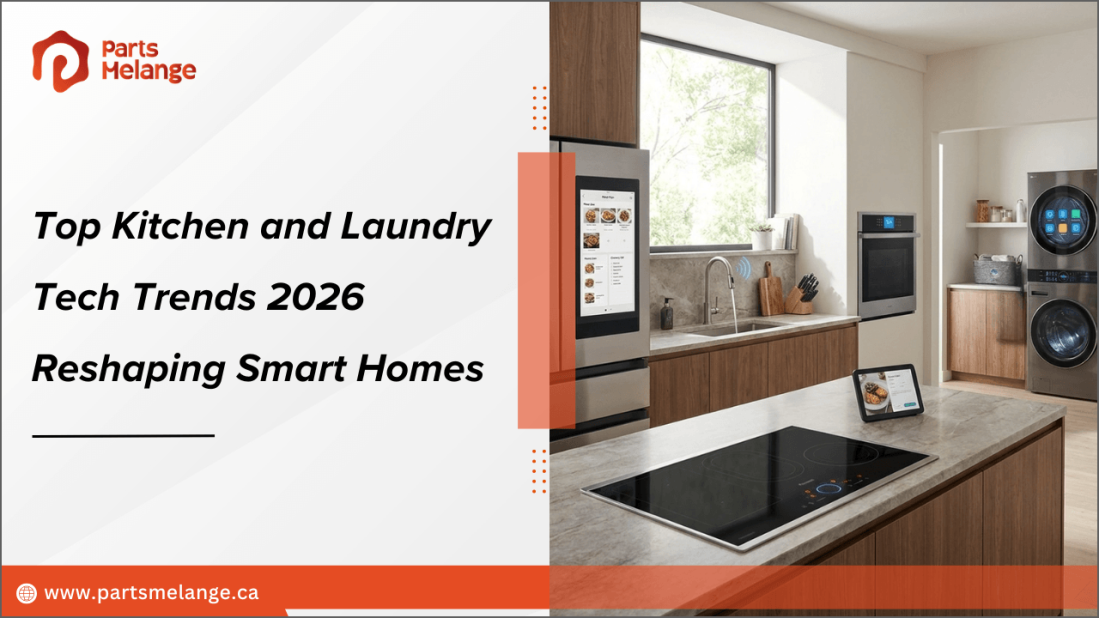
Kitchen and laundry technologies are rapidly evolving with the integration of AI, IoT, and automation. These innovations are making modern homes smarter, more efficient, and more convenient by simplifying daily tasks and optimizing the use of energy, water, and time. From intelligent cooking systems to smart laundry solutions, technology is transforming everyday household routines.
At the same time, eco-friendly designs and connected devices are improving sustainability and creating more seamless home experiences. These advancements help users save time, reduce costs, and manage appliances more effectively in their daily lives.
This blog explains the key kitchen and laundry tech trends shaping modern smart homes.
Rise of AI-Powered Kitchen Appliances for Smarter Cooking
AI-powered kitchen appliances are becoming an important part of modern homes, changing the way people cook and manage daily kitchen tasks. These smart devices use advanced technology to improve efficiency, accuracy, and ease of use in everyday cooking. They are designed to reduce manual effort and help users achieve better results with less time and effort.
Key features that make these appliances stand out include:
Uses AI and sensors to improve cooking accuracy and consistency
Automatically adjusts temperature, time, and settings for better results
Suggests recipes based on available ingredients and user preferences
Tracks food freshness and helps reduce wastage
Enables remote control through mobile apps and voice assistants
Learns user cooking habits for a personalized experience
Provides step-by-step guidance for easy cooking
With these features, AI-powered kitchen appliances are making cooking more efficient, reliable, and enjoyable. They help users save time, reduce errors, and bring more convenience to everyday kitchen routines.
Smart Laundry Systems with Energy and Water Efficiency Optimization
Smart laundry systems are transforming modern homes by improving efficiency, convenience, and sustainability in everyday laundry care. Leading brands such as Samsung, Whirlpool, and LG are introducing smart laundry technologies with advanced sensors and automation that optimize water, energy, and detergent usage to deliver better cleaning performance while reducing overall household costs.
Key areas where these systems make a difference include:
1. Optimized Resource Usage: Reduces water, energy, and detergent consumption while maintaining effective cleaning performance.
Adjusts water based on load size
Saves energy with smart cycles
Minimizes detergent waste
2. Advanced Fabric Care: Ensures safe washing while extending the life of clothes.
Selects wash cycles based on fabric type
Prevents over-washing and damage
Maintains fabric quality for longer use
3. Smart Connectivity and Control: Improves convenience through remote access and monitoring.
Operates via mobile apps
Sends alerts and cycle updates
Supports scheduling and remote control
4. Time-Saving Automation: Speeds up laundry tasks by using smart and automated settings.
Shortens wash and dry cycles
Auto-selects best settings
Reduces manual effort
5. Eco-Friendly Washing Cycles: Reduces water and energy usage to support sustainable washing practices.
Uses low-temperature wash options
Reduces water consumption
Enables eco modes for efficiency
These features make smart laundry systems ideal for modern homes, helping save time, lower costs, and support eco-friendly living.
How IoT is Connecting Kitchen and Laundry Appliances Seamlessly
Connected home technology is transforming modern living by linking kitchen and laundry appliances into a unified and intelligent system through IoT (Internet of Things). In 2026, devices such as refrigerators, ovens, washing machines, and dryers can communicate with each other and centralized platforms, enabling smoother operations and smarter decision-making.
The table below highlights how IoT features enhance connectivity and user experience:
IoT Feature | How It Works | User Benefit |
Device-to-Device Communication | Appliances share data and coordinate tasks | Smoother and automated operations |
Remote Access & Control | Controlled via mobile apps or smart systems | Convenience from anywhere |
Smart Scheduling | Runs appliances based on time or user habits | Saves energy and reduces costs |
Real-Time Notifications | Sends alerts for cycle status or issues | Better monitoring and quick response |
Voice Assistant Integration | Works with voice commands | Hands-free and easy control |
Predictive Maintenance | Detects issues before breakdowns | Reduces repair costs and downtime |
Energy Optimization | Syncs with energy systems for efficient usage | Lower electricity consumption |
With IoT integration, appliances no longer work in isolation. They function as a connected ecosystem, making homes more efficient, responsive, and convenient for everyday living.
Eco-Friendly Appliance Innovations for More Sustainable Living
Eco-friendly appliance innovations in 2026 are reshaping how households manage energy, water, and overall consumption. Modern kitchen and laundry appliances are designed with sustainability at their core, using advanced technologies to reduce environmental impact without compromising performance. These innovations not only support greener living but also help users lower utility costs and improve long-term efficiency.
Key areas driving these eco-friendly advancements include:
Energy-Efficient Technologies: Advanced motors, inverter technology, and smart power management systems reduce electricity consumption while maintaining high performance and enabling energy-saving modes.
Water Conservation Features: Intelligent sensors and optimized wash systems adjust water levels based on load size and fabric type, ensuring efficient cleaning with minimal waste.
Sustainable Materials and Design: Appliances are built using durable and recyclable materials, designed for longer lifespans, and support easy repair and part replacement to reduce electronic waste.
Smart Monitoring and Optimization: Real-time tracking, usage insights, and smart controls allow users to monitor and optimize energy and water consumption more effectively.
These innovations make it easier for households to adopt eco-friendly practices while maintaining convenience, cost savings, and reliable appliance performance, contributing to a more sustainable lifestyle.
Explore The Future of Green Living Eco-Friendly Household Appliance Trends in Canada to see how modern appliances are making homes more efficient and sustainable.
Summary: How 2026 Tech Trends Are Simplifying Modern Smart Homes
In 2026, kitchen and laundry technologies are making homes smarter, more efficient, and easier to manage. AI-powered appliances simplify cooking by automating tasks and improving accuracy, while smart laundry systems optimize water, energy, and detergent usage to save time and reduce costs. These innovations are designed to make everyday routines faster and more convenient.
At the same time, IoT connectivity allows appliances to work together seamlessly, creating a more connected home environment. Combined with eco-friendly designs and energy-efficient features, these advancements help households reduce their environmental impact while maintaining high performance and comfort.
Key Takeaways:
AI appliances make cooking faster and more precise
Smart laundry systems save water, energy, and time
IoT enables seamless connectivity between devices
Eco-friendly innovations support sustainable living
Smart homes improve convenience and efficiency
These trends highlight how technology is transforming everyday living into a smarter, more sustainable experience.
Shop reliable home appliance replacement parts at PartsMelange to keep your smart home systems running efficiently. Find quality components for ovens, refrigerators, washing machines, and dryers that support performance, reduce downtime, and extend appliance life.
References:
https://news.samsung.com/ca/samsung-expands-its-smart-laundry-offerings-with-bespoke-ai-laundry-vented-combo
FAQs
Are smart appliances expensive to maintain?
While the initial cost may be higher, smart appliances often reduce long-term expenses through energy savings, efficient performance, and predictive maintenance.
How do eco-friendly appliances benefit the environment?
They reduce energy and water consumption, minimize waste, and use sustainable materials, helping lower the overall environmental impact.
Are smart laundry systems suitable for all types of fabrics?
Yes, they are designed to handle a wide range of fabrics by automatically selecting appropriate wash cycles for better care and protection.
How do smart appliances help reduce utility bills?
They optimize energy, water, and detergent usage through intelligent sensors and automation, leading to lower monthly utility costs.
| Disclaimer: This blog is for informational purposes only and is intended to provide general information about kitchen and laundry technology trends. The details mentioned may vary depending on appliance models and manufacturers. |







Please complete your information below to login.
Sign In
Create New Account