
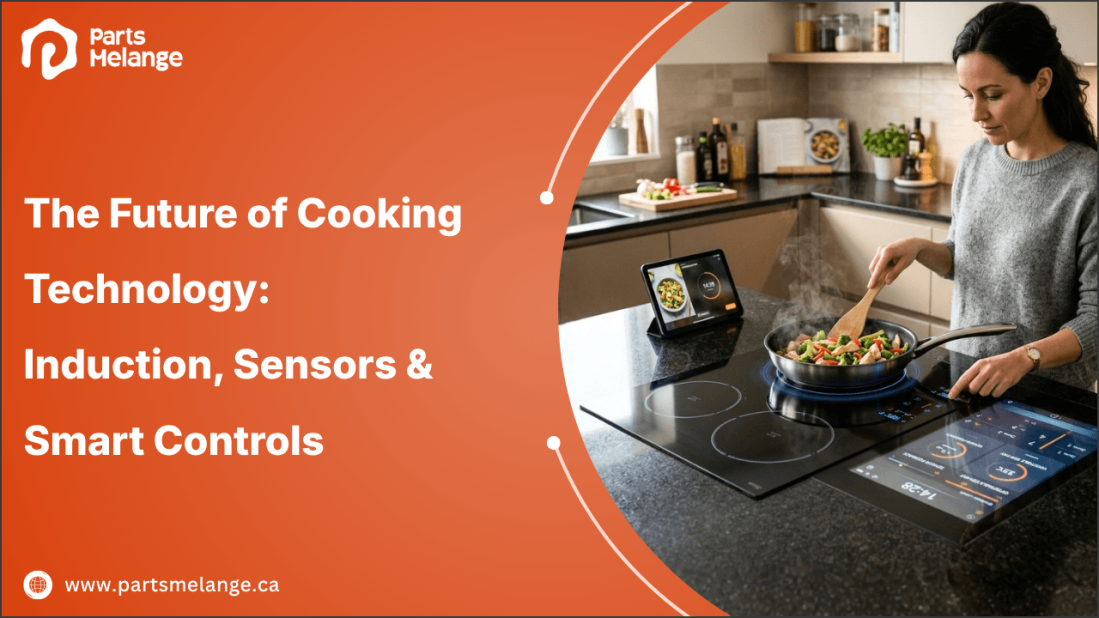
Cooking technology is evolving beyond traditional gas burners and electric heating elements, with modern kitchens adopting induction systems, advanced sensors, and smart controls. These technologies are helping improve temperature precision, cooking consistency, energy management, safety, and everyday convenience.
From induction cooktops that adjust heating electronically to sensors that monitor cooking conditions, newer equipment can respond to what is happening during the cooking process. Smart controls bring these technologies together, allowing appliances to automate certain functions while giving users greater control over how food is prepared.
This blog explains how induction, sensors, and smart controls are changing cooking, and what keeps these appliances accurate over time.
Cooking Technology Is Shifting Toward Speed, Precision, and Efficiency
Kitchens are moving from open flames and basic dial controls to electronic systems that measure heat and adjust it automatically. The goal is the same that cooks have always had: repeatable results with less wasted time and energy.
Electronic control replaces guesswork: A knob sets a heat level, while an electronic control holds a target temperature, so a 350°F oven stays close to 350°F instead of swinging above and below it.
Heat is created where it is needed: A coil burner has to heat itself first and then pass that heat to the pan, while induction generates heat inside the pan directly. This makes induction quicker to heat up and waste less energy.
Sensors provide constant feedback: Oven temperature sensors, meat probes, and humidity sensors report to the control board, which raises, lowers, or stops heat based on real readings.
Apps extend control beyond the kitchen: Preheating, timers, and doneness alerts can be handled from a phone or a voice assistant.
Less energy is wasted: Induction transfers roughly 85% to 90% of its energy to the pan, compared with about 40% for gas, so cooking is faster and the kitchen stays cooler.
Together, these changes make cooking more consistent and efficient. They also mean sensors, wiring, and control boards now decide how accurately an appliance heats.
Induction Cooking Delivers Faster Heat and Tighter Control
Why induction cooking delivers faster heat and tighter control? Induction cooking heats compatible cookware directly through an electromagnetic field, allowing heat changes to happen quickly while the cooktop surface generally remains cooler than the pan itself. This direct heating can improve cooking response, temperature control, and everyday safety compared with traditional gas and electric cooking methods. Here are the key metrics:
Rapid and Direct Heating: Induction generates heat directly within compatible cookware, allowing pans to reach cooking temperatures quickly and water to boil sooner.
Magnetic Cookware Transfers Heat Efficiently: Cast iron and many stainless-steel pans work with induction, provided they have a magnetic base. Because the cookware itself generates heat, the surrounding cooktop surface does not become as hot as a conventional burner.
Pan Detection Adds Built-In Safety: Many induction zones detect whether compatible cookware is present and stop heating when the pan is removed. This can reduce the risk of accidentally leaving an active cooking zone without cookware.
Fine Power Levels Support Different Cooking Tasks: Multiple power settings allow cooks to maintain low heat for melting butter or simmering sauces and increase power when searing, boiling, or stir-frying.
Together, these features give induction cooktops faster response, more precise heat control, and added convenience during everyday cooking.
Built-In Sensors Take the Guesswork Out of Temperature and Doneness
Sensors give appliances the feedback they need to make decisions. Instead of following a fixed timer or a dial setting, the appliance reads real conditions and adjusts heat as it cooks.
Sensor | What It Does | How It Benefits You |
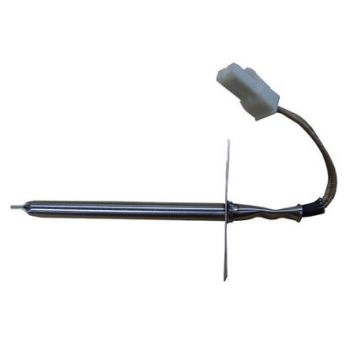
Oven temperature sensor | Reads the air temperature inside the oven and tells the control board when to switch heat on or off | Steadier temperatures, more even baking, and recipes that turn out the same each time |
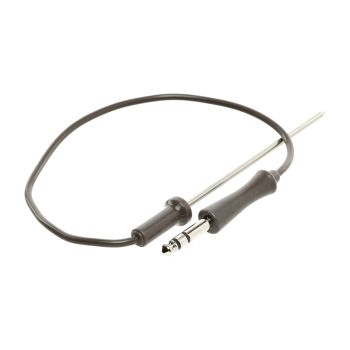
Meat probe | Measures the internal temperature of the food | Food cooked to the right doneness, with less risk of overcooked roasts or undercooked poultry |
Humidity or steam sensor | Tracks moisture levels inside the oven | Better rise in bread, juicier roasts, and less dried-out food |
Pan-detection sensor | Detects whether cookware is present on an induction zone | Heat only runs when a pan is in place, which saves energy and lowers the risk of burns |
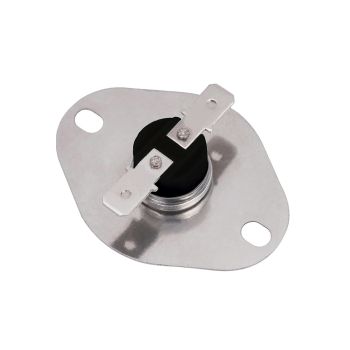
Overheat sensor | Monitors for temperatures that climb too high | Automatic shutoff that protects both the food and the appliance |
Sensors turn cooking from estimation into measurement. The result is more consistent food, lower energy use, and a safer kitchen, even when you step away from the stove.
Smart Controls Connect Appliances to Apps, Recipes, and Automation
Smart controls connect compatible cooking appliances with mobile apps, digital recipes, and automated cooking functions. Users can monitor cooking progress, access guided recipes, adjust supported settings, and receive notifications without repeatedly checking the appliance.
App-Based Control: Compatible appliances can allow users to monitor cooking progress and adjust supported settings through a smartphone app.
Recipe Integration: Digital cooking platforms can provide recipes with recommended temperatures, cooking modes, and cooking times.
Cooking Notifications: Connected appliances can send alerts when preheating is complete, a timer ends, or a cooking cycle requires attention.
Saved Cooking Programs: Frequently used settings can be saved or selected again for repeat cooking.
Sensor-Based Automation: Compatible appliances can use temperature or food-sensing information to adjust supported cooking functions automatically.
Location-based locking: Wi-Fi induction cooktop offers GPS-based automation that locks or unlocks the cooktop when you leave or return home.
For example, Samsung's SmartThings app allows supported Samsung induction cooktops to connect with a smartphone for remote monitoring and control. Users can check the cooktop's operating status and power levels and adjust functions such as the timer through the app, making induction cooking easier to monitor and manage.
Smart controls only work as well as the sensors and control boards behind them, so reliable hardware is what makes the connected features worth using.
Energy Efficiency and Safety Features Are Raising the Standard for Modern Kitchens
Modern cooking technology is not only focused on faster cooking and greater convenience. Energy efficiency and safety are becoming equally important, with newer appliances using sensors, electronic controls, and automated functions to reduce unnecessary energy use and help manage potentially unsafe conditions.
Energy-Saving Features in Induction Cooktops and Smart Ovens
Automatic power adjustment: Smart systems can reduce heating output when the desired cooking condition is reached.
Higher efficiency per unit: ENERGY STAR reports that induction cooktops are about 5-10% more efficient than conventional electric resistance units and about three times more efficient than gas.
Precise temperature regulation: Sensors can help prevent unnecessary heating beyond the selected temperature.
Cookware detection: Induction systems can stop or limit heating when compatible cookware is removed.
Programmable cooking: Timers can prevent equipment from operating longer than necessary.
Zone control: Some cooking systems allow power to be directed only to the cooking areas being used.
Built-In Safety Features That Reduce Kitchen Risks
Overheat protection: Sensors can detect excessive temperatures and trigger protective responses.
Automatic shutoff: Equipment can switch off after a programmed period or when certain conditions occur.
Control locks: Lock functions can help prevent unintended changes to cooking settings.
Temperature monitoring: Continuous monitoring can help equipment respond when temperatures move outside programmed conditions.
For example, Bosch induction cooktops include a Child Lock/Panel Lock that prevents the cooktop from being turned on accidentally. On supported models, users can activate or deactivate the lock by pressing and holding the Clean Lock/Child Lock control for about four seconds.
These features can make modern cooking equipment more efficient and easier to manage while adding additional layers of protection. As induction heating, sensors, and smart controls become more closely integrated, appliances can respond to actual cooking conditions rather than operating at a fixed setting throughout the entire process.
Summary: The Future of Cooking Belongs to Appliances That Think, Sense, and Adapt
Cooking technology is moving toward faster heat, better accuracy, and less wasted energy. Induction heats the pan directly, sensors measure what is happening inside the food and the appliance, and smart controls use that information to automate the cooking process.
Together, these technologies make cooking more consistent, more efficient, and safer. They also depend on electronic parts like sensors, wiring, and control boards, so keeping those in good condition keeps the appliance accurate for years.
Key Takeaways
Induction heats faster and more efficiently: It transfers roughly 85% to 90% of its energy to the pan and needs magnetic cookware.
Sensors drive accuracy: Oven sensors, meat probes, and humidity sensors give the control board real readings to work from.
Smart controls add convenience: Remote preheating, recipe guidance, and doneness alerts reduce manual effort.
Safety is built in: Pan detection, automatic shutoff, and child locks lower everyday kitchen risks.
Efficiency lowers costs: Less wasted heat means shorter cooking times, lower energy use, and a cooler kitchen.
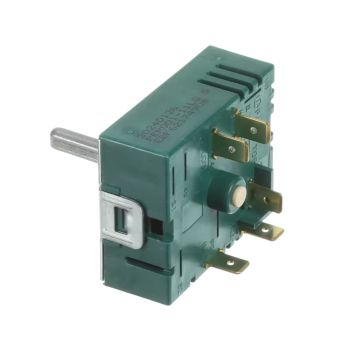
Keep your modern kitchen appliances performing at their best with the right replacement components. PartsMelange provides trusted home appliance replacement parts, including sensors, control boards, heating elements, switches, and more to help maintain efficient and consistent appliance performance.
References:
https://news.samsung.com/us/samsungs-smart-induction-cooktop-saves-energy-time/
https://www.energystar.gov/partner-resources/products_partner_resources/brand-owner/eta-consumers/res-induction-cooking-tops
https://www.homewiseappliance.com/appliances/kitchen-appliances/cooktops/induction-cooktops/bosch/NIT8661UC
FAQs
What is induction cooking and how does it work?
Induction cooking uses a magnetic field to generate heat directly inside the pan instead of heating a burner or flame. The cooktop surface stays much cooler than the cookware, and heat changes happen almost instantly when you raise or lower the power.
Which pans work on an induction cooktop?
Cast iron and most stainless steel pans work because they are magnetic. Aluminum, copper, and glass do not work unless they have a magnetic base. If a magnet sticks firmly to the bottom of the pan, it will work on induction.
Is induction cooking more energy efficient than gas or electric?
Yes. Induction transfers roughly 85% to 90% of its energy to the pan, compared with about 74% for electric coil and around 40% for gas. Less wasted heat also means faster cooking and a cooler kitchen.
How do I know if my oven temperature sensor is failing?
Common signs include an oven that runs hotter or cooler than its setting, uneven cooking, or preheat error codes. A multimeter reading far outside the sensor's rated resistance, often around 1,000 to 1,100 ohms at room temperature for many models, usually confirms the sensor is faulty.
Disclaimer: This blog is for informational purposes only and provides general information about induction, sensors, and smart cooking controls. Information may vary depending on the equipment and operating environment. |



Please complete your information below to login.
Sign In
Create New Account