
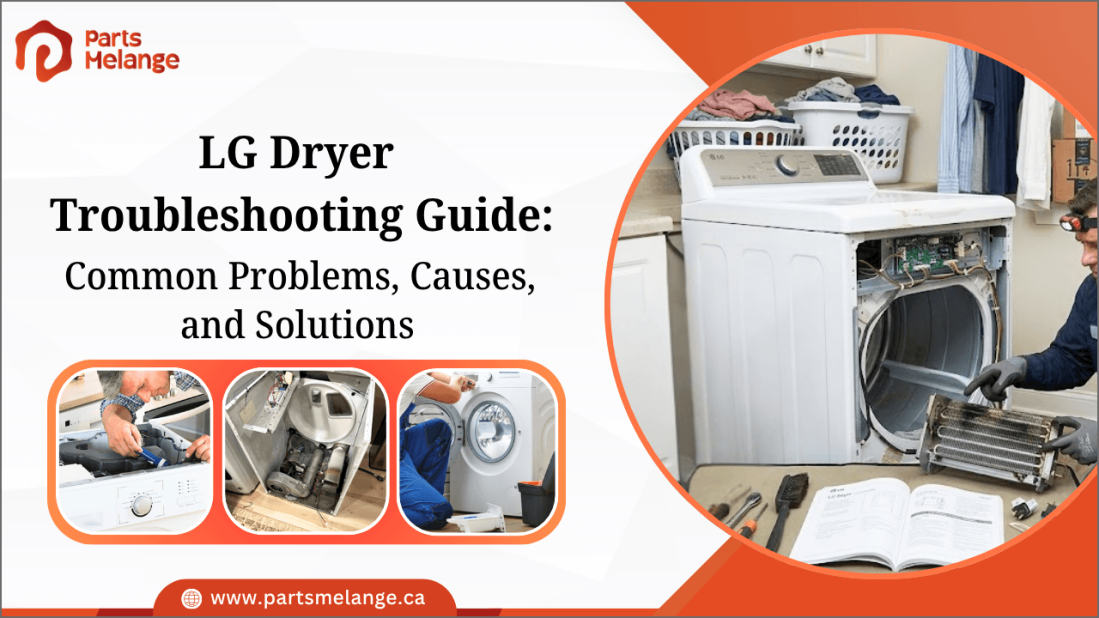
LG dryers are designed to provide efficient and reliable drying performance, but like any household appliance, they can develop issues over time. Problems such as lack of heat, extended drying times, unusual noises, or startup failures can affect both convenience and energy efficiency.
Understanding the common causes behind these issues helps you identify problems early and take the right corrective action. In many cases, these issues are linked to airflow restrictions, normal wear, or issues related to dryer parts, and timely maintenance can help prevent minor faults from turning into bigger repairs.
This blog explains common LG dryer problems, their causes, and practical troubleshooting solutions to help you fix issues effectively.
Understanding How an LG Dryer Works
An LG dryer removes moisture from clothes by using heat, airflow, and drum movement. During a drying cycle, warm air is circulated through the drum while the clothes tumble continuously. As moisture evaporates from the fabrics, it is carried out through the vent system, helping clothes dry evenly and efficiently.
The drying process relies on several key functions:
Heat Generation: The heating system produces warm air needed to remove moisture from clothing.
Drum Rotation: The drum keeps clothes moving to prevent clumping and improve exposure to warm air.
Airflow Circulation: A blower moves heated air through the drum and pushes moist air out through the vent.
Moisture Detection: Moisture sensors help determine when clothes are dry and adjust cycle time accordingly.
Cycle Control: The control system manages temperature, drying time, and other settings based on the selected cycle.
Understanding these basic functions can make troubleshooting easier, as many common dryer issues are related to heating, airflow, or drum operation.
Shop high-quality LG dryer parts and home appliance replacement parts at PartsMelange to keep your dryer running efficiently. Explore durable components such as heating elements, thermal fuses, moisture sensors, drive belts, and blower wheels to improve performance, reduce breakdowns, and extend appliance lifespan.
Most Common LG Dryer Problems and Their Causes
LG dryers can develop performance issues over time due to airflow restrictions, normal wear of parts, or electrical and sensor-related faults. Most problems start gradually, showing early signs like longer drying time, uneven results, or unusual noise before the dryer stops working properly.
Below are the most common problems and what typically causes them:
Dryer Runs but Doesn’t Heat
If the dryer is running but clothes stay cold or damp, the heating system is not working properly.
Common causes:
Blown thermal fuse, often caused by a clogged vent
Weak or failed heating element
Faulty high-limit thermostat
Restricted exhaust airflow causing overheating protection to activate
Clothes Take Too Long to Dry
Long drying times usually point to poor airflow rather than heating failure.
Common causes:
Lint screen blocked with lint or detergent residue
Crushed or clogged vent hose
External exhaust vent partially blocked
Overloaded drum restricting air circulation
Dryer Not Starting or Responding
If the dryer does not respond at all, the issue is often electrical or control-related.
Common causes:
Faulty door switch not detecting closure
Tripped circuit breaker or unstable power supply
Control panel or start button failure
Wiring or internal connection issues
Loud Noise or Excess Vibration During Operation
Unusual noise usually comes from worn or loose mechanical parts inside the dryer.
Common causes:
Worn drum rollers causing thumping sounds
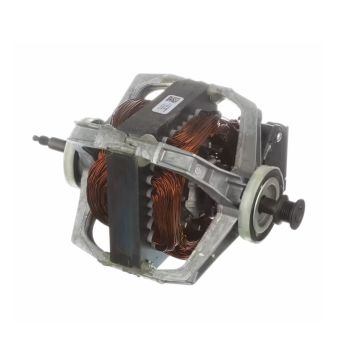
Loose or stretched drive belt
Failing idler pulley producing squealing noise
Foreign objects inside the drum or blower housing
Dryer Stops Mid-Cycle Unexpectedly
If the dryer shuts off before finishing the cycle, it may be activating safety protection or facing electrical instability.
Common causes:
Overheating due to blocked airflow
Faulty thermal sensor
Motor overheating under heavy load
Control board malfunction or voltage drop
Knowing these common LG dryer problems helps quickly identify what’s going wrong. Most issues are usually related to airflow, worn parts, or simple electrical faults rather than major breakdowns.
Key LG Dryer Parts That Commonly Cause Performance Issues
Several internal components play an important role in the smooth operation of an LG dryer. When any of these parts wear out or malfunction, it can directly affect drying efficiency, heating performance, or overall operation. Identifying these key parts helps in understanding the root cause of common dryer issues.
Below is a quick reference table of the most important LG dryer parts and the issues they may cause when they fail.
LG Dryer Part | Function | Signs of Component Failure |
Dryer Heating Element | Produces heat for drying clothes | Dryer runs but clothes remain damp or cold |
Dryer Thermal Fuse | Prevents overheating by cutting power | Dryer stops working or loses heat |
Moisture Sensor | Detects moisture levels in clothes | Clothes may be over-dried or under-dried |
Drive Belt | Spins the drum during operation | Drum stops spinning while motor runs |
Drum Rollers & Bearings | Support smooth drum rotation | Noise, vibration, or rough movement |
Blower Wheel | Circulates hot air through drum and vent | Weak airflow and longer drying time |
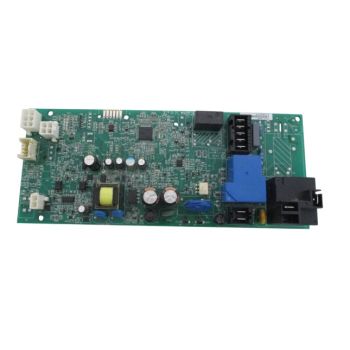
Control Board | Controls overall dryer functions | Random errors or unresponsive operation |
Each of these LG dryer parts plays an important role in overall dryer performance, and issues in any one of them can impact the overall efficiency of the appliance.
How to Diagnose LG Dryer Issues Step by Step
LG dryer issues should be diagnosed in a proper order so you can quickly identify whether the problem is related to power, airflow, heating, or internal components. Always turn off the power supply or unplug the dryer before starting any inspection.
Step 1: Check Power Supply and Basic Settings
Verify the outlet and plug connection, and check if the circuit breaker has tripped. Dryer thermal fuses prevent overheating by shutting off the dryer when excessive heat is detected. If the dryer does not start or heat, it may indicate a problem requiring dryer thermal fuse replacement.
Step 2: Inspect the Lint Filter and Vent System
Clean the lint filter thoroughly and remove any lint buildup. Check the vent hose and external exhaust for blockages, as restricted airflow is one of the most common causes of drying issues.
Step 3: Test the Door Closure
Make sure the dryer door closes properly and the door switch engages. If the switch does not activate, the dryer may not start or may stop during operation.
Step 4: Observe the Drying Cycle Performance
Run a short cycle and observe drum movement, heating, cycle timing, and any interruptions. This helps determine whether the issue is related to airflow, heating, or mechanical parts.
Step 5: Check for Unusual Sounds or Vibrations
Listen for noises such as squeaking, rattling, or thumping, which can indicate worn rollers, belt issues, or loose internal components.
Step 6: Evaluate Drying Results
Check whether clothes are fully dry, damp, or unevenly dried. This helps confirm whether the issue is related to heating performance, airflow, or sensor accuracy.
When to Call a Professional Technician
If basic troubleshooting does not resolve the issue, it is best to contact a qualified technician.
The dryer does not start even after checking power and settings
The dryer is not heating despite cleaning vents and filters
The dryer stops repeatedly during a cycle
Burning smell, sparks, or electrical issues are present
The drum does not spin even though the motor is running
Error codes continue after troubleshooting
If the issue continues, contacting a qualified technician is the safest option for proper LG dryer repair.
Check out Top 7 Dryer Parts You Should Replace to Improve Drying Performancefor better efficiency, faster drying cycles, and long-lasting appliance performance.
Summary: Keeping Your LG Dryer Running Efficiently
An LG dryer works efficiently when heat, airflow, and drum movement function together properly. Over time, issues such as poor heating, longer drying cycles, or unusual noise can develop due to wear or maintenance gaps. Understanding these common problems and their causes makes it easier to identify issues early and take the right troubleshooting steps.
Regular maintenance like cleaning the lint filter, checking vents, and using the dryer correctly helps maintain performance and extend its lifespan. When problems persist despite basic checks, professional inspection ensures safe and effective repair.
Key Takeaways
Most dryer issues are linked to airflow, heating, or mechanical wear
Simple dryer maintenance can prevent many common problems
Step-by-step troubleshooting helps identify the root cause faster
Persistent or electrical issues should be handled by a technician
FAQs
Why is my LG dryer running but not producing heat?
This usually happens due to restricted airflow, a blown thermal fuse, or a heating element failure. Checking the lint filter and vent system is often the first step in troubleshooting this issue.
What causes an LG dryer to stop spinning?
A broken drive belt, worn drum rollers, or motor-related issues can prevent the drum from spinning even if the dryer is powered on.
How do I troubleshoot an LG dryer that won't start?
Start by checking the power supply, circuit breaker, and door switch. If everything is fine, the issue may be related to the start switch or control board.
Why are my clothes still damp after a full drying cycle?
Poor airflow, clogged vents, or a malfunctioning moisture sensor can cause clothes to remain damp even after a complete cycle.
What are the most common LG dryer error codes and what do they mean?
Common error codes often relate to airflow restrictions, heating issues, or sensor malfunctions. Each code points to a specific system problem that helps narrow down troubleshooting.
Disclaimer: This blog is for informational purposes only and is intended to provide general guidance on LG dryer troubleshooting. Always consult a qualified technician for complex issues or safety-related concerns. |





Please complete your information below to login.
Sign In
Create New Account