
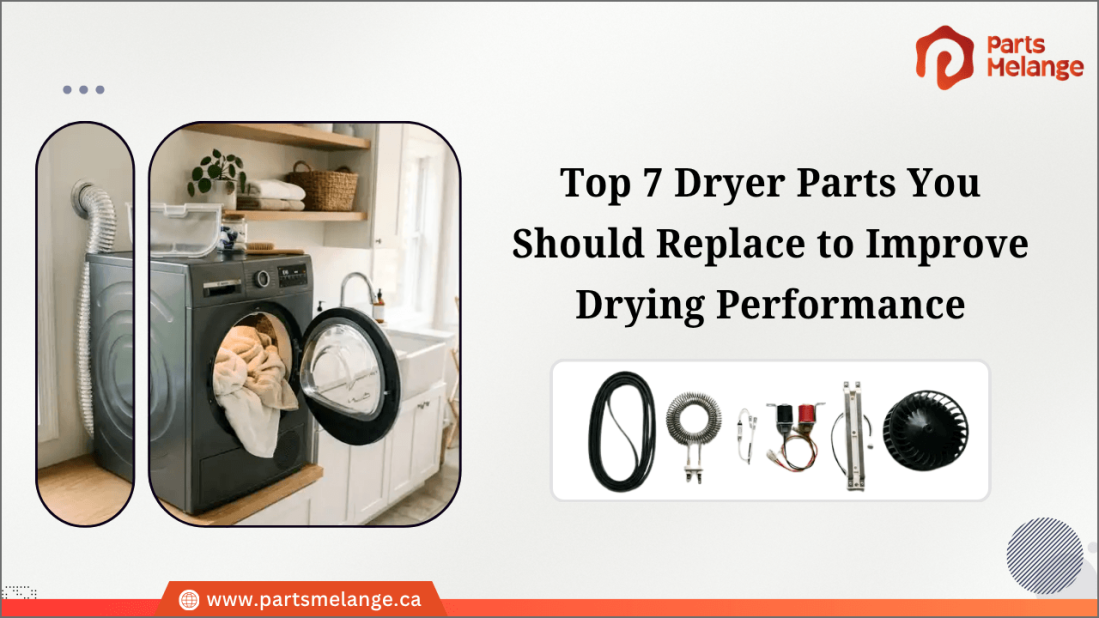
Is your dryer taking too long to dry clothes or leaving them damp? Worn-out internal parts could be reducing its efficiency by up to ~30%, making your appliance work harder than it should. Instead of replacing the entire dryer, upgrading a few key components can quickly restore performance, improve energy efficiency, and protect your clothes from unnecessary wear.
Over time, essential parts naturally wear down, affecting heat generation, airflow, and overall drying consistency. This not only increases drying time but can also lead to higher energy bills and uneven results. Spotting these issues early and replacing the right components can help your dryer run faster, safer, and more efficiently while extending its lifespan.
This guide explains why dryer parts fail, the signs to watch for, and the essential components that should be replaced to achieve better drying performance.
Why Replacing Worn Dryer Parts Improves Efficiency and Performance
Dryers rely on a balanced combination of heat, airflow, and drum movement to dry clothes effectively. When even one component starts to wear out, this balance is disrupted, often increasing drying time by up to ~20–30% and raising energy consumption.
Many users assume the dryer itself is failing, but in most cases, it’s just one or two worn-out parts reducing overall performance. Replacing these components at the right time can quickly restore efficiency without the cost of buying a new home appliance.
Replacing faulty parts helps:
Restore proper airflow and heat distribution for faster drying
Reduce drying time and lower electricity consumption
Prevent overheating and avoid potential safety hazards
Improve drying consistency and protect fabric quality
Reduce strain on other components and avoid further damage
Extend the overall lifespan of your dryer
By addressing these issues early, you not only improve drying performance but also save on energy bills and repair costs. Small, timely replacements can make a noticeable difference in keeping your dryer reliable, efficient, and long-lasting.
Common Signs Your Dryer Parts Need Replacement
A dryer usually shows early warning signs before it completely breaks down. These signs are often caused by worn or failing internal parts that affect heating, airflow, or drum movement. If ignored, they can lead to longer drying times, higher energy bills, and poor drying results. Identifying these issues early helps you fix them before they turn into costly repairs.
Clothes Take Too Long to Dry: This is often caused by restricted airflow or weak heating performance. A clogged vent hose or a failing dryer heating element can reduce drying efficiency and increase cycle time.
Dryer Runs but No Heat: If the dryer operates but does not heat, the heating element or dryer thermal fuse may be damaged. This prevents proper drying even though the machine is running.
Dryer Stops Mid-Cycle: Sudden stopping usually indicates overheating or a safety shutdown. A blown thermal fuse is a common reason behind this issue.
Clothes Come Out Damp: A faulty dryer moisture sensor or blocked airflow can cause improper drying, leaving clothes partially wet.
Unusual Noises: Worn dryer drum rollers, drive belts, or blower wheels often create squeaking or thumping sounds during operation.
Drum Not Spinning: A broken dryer drive belt is the most common cause of a non-spinning drum, affecting the entire drying process.
These signs help you quickly understand what might be wrong with your dryer. Early replacement of faulty dryer parts ensures better performance and longer appliance life.
7 Essential Dryer Parts to Replace for Better Drying Performance
When a dryer starts performing poorly, the issue is often linked to a few key internal components rather than the entire machine. These essential dryer parts control heat, airflow, drum movement, and moisture sensing. Replacing worn-out components at the right time can significantly improve drying speed, energy efficiency, and overall appliance performance.
The table below highlights the most important dryer parts, their function, and how difficult they are to replace.
Dryer Parts | What It Does | Why Replacement Improves Performance | Difficulty Level |
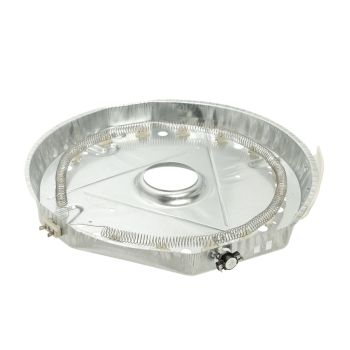
Heating Element | Generates heat for drying clothes | Restores proper heating and faster drying cycles | Moderate |
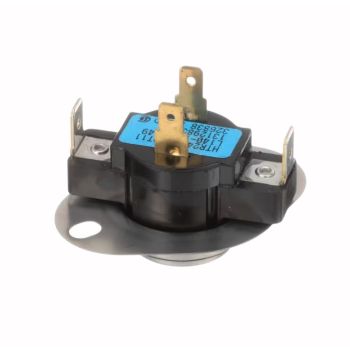
Thermal Fuse | Safety device that prevents overheating | Ensures safe operation and restores functionality | Easy |
Moisture Sensor | Detects moisture levels in clothes | Improves drying accuracy and prevents over/under drying | Easy |
Dryer Vent Hose | Removes hot, moist air from the dryer | Improves airflow and reduces drying time | Easy–Moderate |
Blower Wheel | Circulates air through the drum | Enhances airflow and drying efficiency | Moderate |
Drum Rollers | Support and rotate the drum smoothly | Ensures even tumbling and consistent drying | Moderate |
Drive Belt | Spins the dryer drum | Restores proper drum movement for effective drying | Moderate |
These components work together to ensure smooth dryer operation. Replacing worn or faulty parts helps restore the balance between heat, airflow, and motion, which can improve drying efficiency by around 10–20%, reduce drying time by approximately 20%, and extend the appliance's lifespan.
How Regular Dryer Maintenance Prevents Costly Repairs
Regular dryer maintenance plays a crucial role in keeping your appliance efficient, safe, and long-lasting, improving overall performance by up to ~20%. When dust, lint, and wear on internal appliance parts are ignored, small issues can quickly turn into major breakdowns. Simple maintenance habits help your dryer run smoothly, reduce strain on components, and prevent expensive repair or replacement costs.
By following a few basic practices, you can significantly improve performance and avoid unexpected failures:
Clean the lint filter after every use to maintain proper airflow
Inspect and clean the dryer vent hose regularly to prevent blockages
Avoid overloading the dryer to reduce strain on the motor and belt
Check for unusual noises or vibrations early
Schedule periodic inspection of key internal components
Taking care of your dryer regularly ensures stable performance, lower energy consumption, and fewer repair issues over time. Small preventive steps today can save you from costly repairs and extend the overall life of your appliance.
Explore The Future of Green Living Eco-Friendly Household Appliance Trends in Canada to learn how smarter, sustainable choices can reduce energy use and costs.
Summary: Replacing Dryer Parts for Optimal Drying Results
Keeping your dryer in good condition doesn’t always require a full replacement. In most cases, poor performance is caused by a few worn-out components that directly affect heat, airflow, and drum movement. By identifying these issues early and replacing the right parts, you can quickly restore drying efficiency, improve energy savings, and extend the life of your appliance.
Regular attention to small problems like weak heating, clogged airflow, or faulty sensors can make a big difference in overall performance. Timely replacements not only improve drying results but also help prevent unexpected breakdowns and costly repairs in the long run.
Key Takeaways
Small, worn-out parts can reduce dryer efficiency significantly
Early detection helps avoid major repairs and appliance failure
Replacing key components improves drying speed and energy savings
Regular maintenance extends the overall dryer lifespan
Addressing issues early ensures consistent and safe performance
By following these simple steps, you can keep your dryer running efficiently, reduce long-term costs, and enjoy consistently better drying results with every cycle.
Upgrade your dryer’s performance with trusted replacement parts from PartsMelange. Explore a wide range of high-quality components, including heating elements, belts, rollers, and sensors, designed to ensure efficient operation and long-lasting appliance performance.
FAQs
Why is my dryer taking too long to dry clothes?
This usually happens due to restricted airflow, a clogged vent hose, or a weak heating element. In some cases, a faulty moisture sensor can also cause longer drying cycles.
Which dryer parts fail most often?
The most commonly replaced parts include the heating element, thermal fuse, drive belt, drum rollers, and moisture sensor, as these components experience regular wear and tear.
How often should dryer parts be checked or replaced?
Basic maintenance should be performed regularly, and internal parts should be inspected if performance issues arise. Most components last several years, but replacement depends on usage and maintenance habits.
| Disclaimer: This blog is for informational purposes only and provides general information about dryer parts, common issues, and performance improvement tips |





Please complete your information below to login.
Sign In
Create New Account