
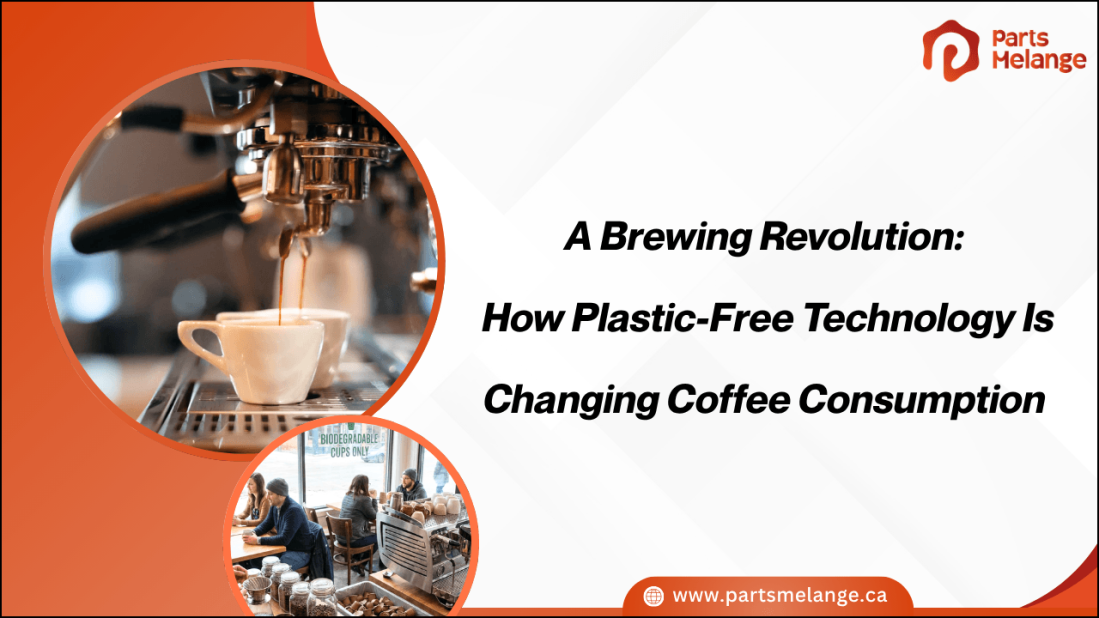
Coffee has become an essential part of daily life for millions of people, whether brewed at home, in cafés, or in offices. However, most people rarely consider the materials used inside coffee machines, even though they directly affect heat stability, taste consistency, and long-term durability of the equipment.
In recent years, concerns about plastic degradation under heat, microplastic release, and short equipment lifespans have pushed manufacturers toward more sustainable alternatives like stainless steel, glass, and ceramic components. These changes are not just environmental, and they also improve brewing consistency and flavor quality in practical, measurable ways.
This blog explains how plastic-free technology is changing coffee consumption, why it matters, and the innovations driving this shift.
Why Plastic-Free Coffee Technology Is Gaining Momentum in Modern Brewing
The move toward plastic-free coffee technology is increasing because traditional coffee machines rely heavily on plastic parts that are exposed to high heat (around 90°C–96°C), steam, and repeated daily use. Over time, this can lead to wear, slight deformation, and even changes in water taste, especially in long-term brewing systems.
Several key factors are driving this shift:
Heat stress on plastic parts: Continuous exposure to hot water and steam weakens plastic water tanks, tubes, and brew chambers over time.
Taste and odor issues: Plastic components can sometimes retain smells or residues, affecting coffee purity in drip and cold brew systems.
Better durability of alternatives: Stainless steel and glass last longer and maintain stable performance even after years of use.
More consistent brewing: Stable materials help maintain steady temperature and extraction conditions during brewing.
Sustainability pressure: Consumers and cafés are choosing low-waste, recyclable materials over disposable plastic-based designs.
Because of these factors, plastic-free brewing systems are becoming a practical upgrade in modern coffee equipment, not just an environmental choice.
How Sustainable Materials Are Replacing Plastic in Modern Coffee Equipment
Modern coffee equipment and parts manufacturers are replacing traditional plastic components with materials that offer better heat resistance, durability, and long-term performance. These alternatives help maintain brewing consistency while reducing reliance on materials that can degrade under repeated exposure to hot water and steam.
The table below highlights the sustainable materials increasingly used in modern coffee equipment and the advantages they provide.
Sustainable Material | Common Application | Key Benefit |
Stainless Steel | Boilers, water tubes, portafilters, filter baskets | Corrosion-resistant, durable, and stable under high pressure |
Borosilicate Glass | Carafes, water reservoirs, pour-over brewers | Resists thermal shock, does not absorb odors, and preserves coffee flavor |
Ceramic | Grinder burrs, drippers, brewing vessels | Helps maintain grind consistency and minimizes heat buildup during use |
Food-Grade Silicone | Gaskets, seals, tubing connectors | Flexible, heat-resistant, and provides reliable sealing performance |
Stainless Steel Metal Mesh | Reusable coffee filters and filter assemblies | Long-lasting, reusable, and reduces disposable filter waste |
These materials help improve equipment lifespan, maintain brewing quality, and support a more sustainable approach to coffee consumption.
Environmental Benefits of Switching to Plastic-Free Coffee Consumption
Switching to plastic-free coffee systems reduces environmental impact by cutting down on single-use and short-life plastic components commonly found in coffee machines, pods, and brewing accessories. Since coffee is consumed daily at a large scale, even small reductions in plastic use can significantly lower long-term waste generation.
Lower plastic waste generation: Replacing plastic parts with stainless steel, glass, and ceramic reduces the number of components that end up in landfills after machine breakdown or upgrades.
Reduced microplastic pollution: Eliminating heated plastic contact points in brewing systems helps reduce the risk of microplastics entering water during high-temperature brewing cycles.
Longer product lifespan: Durable materials like stainless steel and borosilicate glass extend equipment life, reducing the frequency of replacements and manufacturing waste.
Improved recyclability: Metals and glass are widely recyclable compared to mixed or heat-degraded plastics, making end-of-life disposal more efficient.
Lower resource consumption over time: Longer-lasting equipment reduces repeated production demand, lowering overall energy and material usage in manufacturing cycles.
Overall, plastic-free coffee consumption helps reduce waste at both the consumer and production level, making everyday brewing more sustainable without compromising performance.
The Future of Zero-Plastic Coffee Brewing Innovations
The future of coffee equipment design is moving toward fully plastic-free brewing systems where all water-contact and heat-exposed components are built from durable, recyclable materials like stainless steel, glass, ceramic, and engineered alloys. The focus is shifting from partial plastic replacement to complete redesign of internal brewing architecture for longer life and higher precision.
Modular machine design: Coffee machines are being built with replaceable metal and glass modules (brew chamber, water path, heating unit) so individual Coffee machine parts can be repaired instead of replacing the full machine.
All-metal water pathways: Internal plastic tubing is being replaced with stainless steel channels to maintain stable water temperature and prevent material degradation under repeated heating cycles.
Induction heating systems: New brewing systems use induction-based heating that directly heats metal components, improving energy efficiency and reducing reliance on plastic insulation parts.
Smart durability tracking: Advanced machines are integrating sensors to monitor temperature stability, pressure consistency, and maintenance cycles to extend equipment lifespan.
Biodegradable auxiliary parts: Non-structural components like packaging elements and external accessories are moving toward biodegradable or recyclable alternatives to reduce waste.
These innovations show that zero-plastic coffee brewing is evolving from a sustainability goal into a long-term engineering standard focused on performance, repairability, and material efficiency.
Summary: Plastic-Free Technology Driving a New Era of Coffee Brewing
Plastic-free technology is becoming an important part of modern coffee brewing as consumers and manufacturers place greater emphasis on sustainability and equipment quality. Materials such as stainless steel, glass, ceramic, and food-grade silicone are increasingly being used in coffee machines and accessories to reduce reliance on traditional plastic components.
These material advancements support longer equipment lifespans, reduced waste generation, and more environmentally responsible coffee consumption. As the coffee industry continues to evolve, plastic-free brewing solutions are expected to play a larger role in shaping the future of coffee equipment and consumer preferences.
Key Takeaways
Plastic-free coffee technology is becoming more common in modern brewing equipment.
Stainless steel, glass, ceramic, and silicone are replacing many plastic components.
Sustainable materials improve durability, heat resistance, and performance.
Plastic-free systems help reduce waste and environmental impact.
Future coffee equipment is expected to focus on sustainability and long-term reliability.
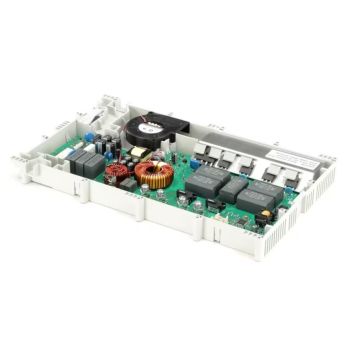
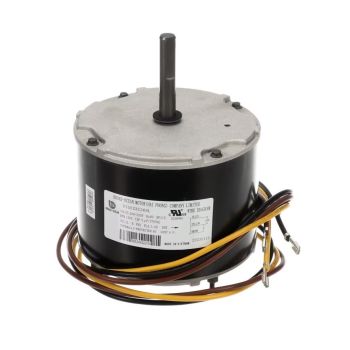
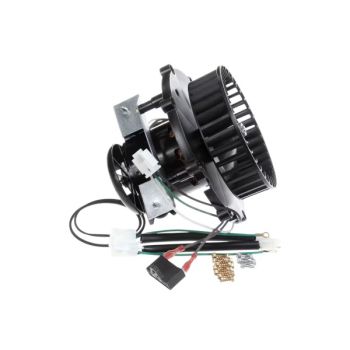
Looking for reliable coffee equipment parts? Shop sustainable home appliance parts and coffee components at PartsMelange to keep your equipment efficient. Find quality filters, water pumps, heating elements, carafes, and control boards to ensure better performance, consistent results, and long-lasting appliance life.
References:
https://plasticdetox.org/articles/how-to-enjoy-coffee-without-plastic
https://coffee-guide.jp/en/gear/coffee-dripper-stainless-vs-resin-vs-ceramic
FAQs
Does plastic-free coffee equipment improve coffee taste?
Yes, it can help maintain a cleaner flavor because non-plastic materials do not absorb odors or release unwanted residues.
Is plastic-free coffee equipment more durable?
Generally, yes. Materials like stainless steel and glass last longer and withstand heat and repeated use better than plastic components.
Is plastic-free coffee brewing more expensive?
It can be slightly more expensive upfront, but it often saves money long-term due to better durability and reduced replacement needs.
Disclaimer: This blog is for informational purposes only and is intended to provide general knowledge about plastic-free coffee technology and brewing practices. |





Please complete your information below to login.
Sign In
Create New Account