
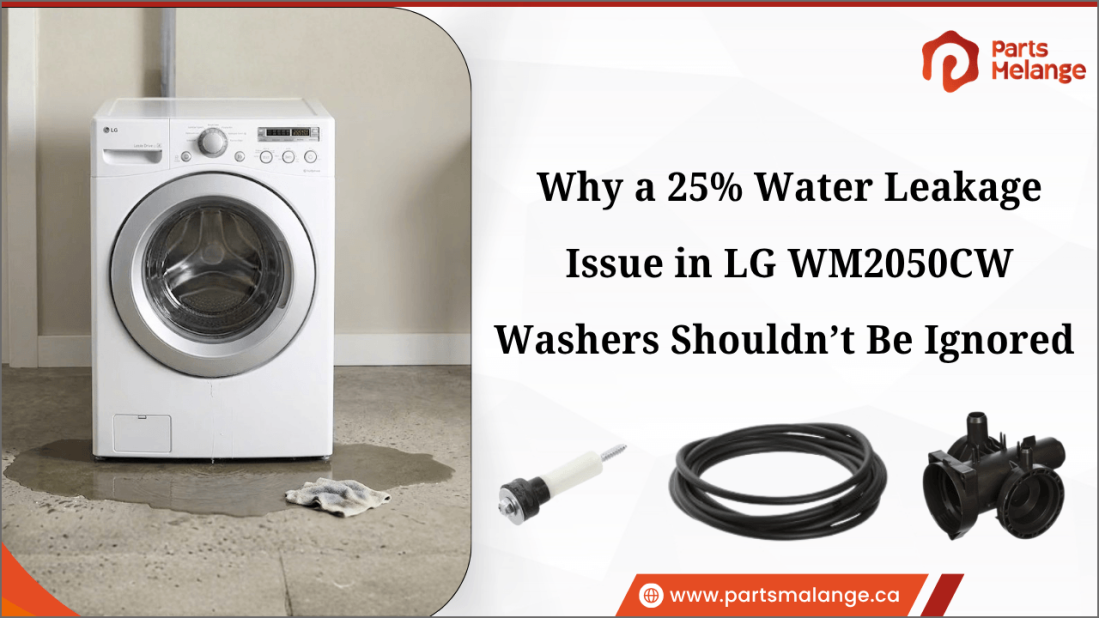
A 25% water leakage issue in the LG WM2050CW washer indicates that the machine is no longer fully containing water during its normal wash cycles. Even minor leakage levels can signal that certain components are starting to lose their sealing efficiency.
If left unchecked, these early signs can gradually affect overall washer performance and lead to more noticeable operational issues over time. Regular inspection and timely replacement of worn components with quality LG WM3500CW parts can help maintain proper front-load washer performance and reduce the likelihood of recurring issues.
This blog explains the key causes, warning signs, and troubleshooting steps for water leakage in the LG WM2050CW washer.
What Causes Water Leakage in LG WM2050CW Washers?
Water leakage in the LG WM2050CW washer usually occurs when key sealing or water-flow components start to wear out or loosen. Even a small defect in these washer parts can allow water to escape during wash or drain cycles, gradually turning into a visible leakage issue.
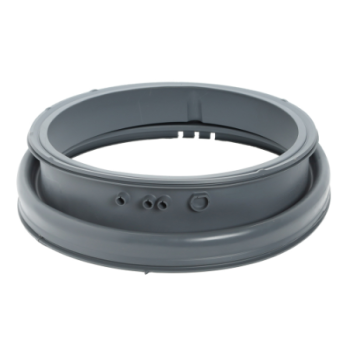
Worn Door Boot Gasket Causing Leak During Wash Cycles
Leakage happens when the door seal loses tight contact with the drum.
Rubber seal becomes loose or cracked
Small gaps allow water to escape during spinning
Dirt buildup weakens sealing
Loose Drain Hose Causing Rear or Base Water Leakage
Minor hose issues can lead to intermittent leaks during drainage.
Hose clamps loosen due to vibration
Small cracks form at connection points
Water leaks mainly during drain cycle
Clogged Detergent Dispenser Causing Front Overflow
Blocked dispenser channels can force water back out of the drawer.
Detergent buildup restricts flow
Water backflows into drawer
Overflow during wash fill stage
Drain Pump Filter Seal Leakage at Lower Front Section
A weak filter seal can allow water to seep out during draining.
Filter cap not fully tight
Worn or flattened O-ring
Leakage during drain cycle
Internal Seal Wear Causing Continuous Hidden Leakage
Internal wear leads to slow, hard-to-notice leaks.
Tub or pump seals degrade over time
Slow leakage during normal cycles
Becomes visible after repeated use
A combination of these issues is often responsible for water leakage in the LG WM2050CW washer, and identifying the exact source is key to proper repair or replacement.
Shop high-quality LG washer parts and home appliance replacement parts at PartsMelange to keep your LG washing machine operating efficiently. Find durable replacement parts such as door gaskets, drain pumps, drain hoses, water inlet valves, and pump filters to help prevent leaks and improve performance.
Common Signs Your LG WM2050CW Washer Has a Water Leak
A water leak in the LG WM2050CW washer can often be identified through visible moisture patterns and recurring wet spots during or after wash cycles. These signs help narrow down that water is escaping somewhere in the system.
The following table highlights the most common leakage signs and what you are likely to observe:
Common Sign | Where It Appears | What You Notice |
Water pooling under washer | Floor beneath machine | Small or steady puddle after wash cycle |
Washer leaking during spin cycle | Around base of washer | Water appears only when drum spins fast |
Water dripping from door area | Front door edges | Droplets or streaks after wash cycle |
Moisture near detergent drawer | Top front panel | Wet drawer or occasional overflow marks |
Damp smell after use | Drum or door seal area | Persistent musty odor even after empty cycle |
Wet floor after every wash | Around machine base | Repeated moisture without visible source |
Monitoring these signs regularly helps catch leakage early in the LG WM2050CW washer and prevents minor issues from turning into major repairs
Why Ignoring a Washer Leak Can Lead to Bigger Problems
Ignoring a water leak in the LG WM2050CW washer can quickly turn a minor issue into a serious mechanical and structural problem. Even small, slow leaks continue to spread moisture over time, affecting both the internal components of the machine and the surrounding installation area. What starts as occasional dripping can gradually impact performance and safety.
Floor damage: Continuous leakage can weaken flooring materials, especially wood or laminate, leading to swelling and long-term damage.
Electrical risk: Moisture can reach wiring and control components, increasing the risk of short circuits or malfunction.
Higher repair costs: A small gasket or hose issue can escalate into pump or board replacement if not addressed early.
Reduced washer efficiency: The machine may struggle to maintain proper water levels, affecting wash quality and cycle stability.
Odor and hygiene issues: Persistent moisture buildup can lead to mold growth and unpleasant smells inside and around the washer.
Timely attention to leakage helps prevent these issues and keeps the LG WM2050CW washer operating safely and efficiently.
Check out Top Kitchen and Laundry Tech Trends 2026 Reshaping Smart Homes and explore how new technologies are improving everyday appliance performance.
How to Troubleshoot and Fix LG WM2050CW Water Leakage Issues
Troubleshooting and fixing water leakage in the LG WM2050CW washer should be done step by step to quickly identify where the water is escaping. Most issues come from external LG parts for washers like seals, hoses, or filters, so starting with simple checks helps avoid unnecessary repairs.
Follow the LG washer troubleshooting process below to resolve water leakage issues.
Step 1: Inspect the Door Gasket
Check the rubber seal for cracks, folds, or trapped debris. Clean it properly and ensure it sits evenly when the door is closed.
Step 2: Check Drain Hose Connections
Examine the rear hose for looseness, cracks, or improper fitting. Tighten clamps and replace the hose if any damage is visible.
Step 3: Clean the Detergent Drawer
Remove the drawer and clean detergent buildup that may block water flow and cause overflow from the front panel.
Step 4: Tighten the Drain Pump Filter
Unscrew the filter cap, clean it, and ensure it is tightly secured. Check the O-ring for wear or flattening.
Step 5: Observe for Internal Leakage
If leakage continues after all external checks, the issue may be due to internal pump or tub seals, which may require professional repair.
Following these steps helps isolate and fix most water leakage issues in the LG WM2050CW washer efficiently.
Summary: Preventing Long-Term Damage From Washer Water Leaks
Addressing a water leakage issue in the LG WM2050CW washer early can help prevent unnecessary damage to both the appliance and the surrounding area. Paying attention to warning signs such as water pooling, damp odors, or moisture around the washer makes it easier to identify problems before they worsen.
Regular inspection of components like the door gasket, drain hose, detergent dispenser, and drain pump filter can help maintain proper washer performance. Routine maintenance and timely repairs are often the most effective ways to reduce the risk of ongoing leakage issues.
Key Takeaways
Water leakage can start from worn seals, hoses, filters, or dispenser components.
Early signs include puddles, door-area moisture, damp odors, and recurring wet spots.
Ignoring leaks can lead to higher repair costs and damage to surrounding surfaces.
Regular maintenance helps identify potential issues before they become serious.
Prompt troubleshooting can help keep the washer operating efficiently and safely.
FAQs
Can a damaged door seal cause washer leaks?
Yes. A worn or torn door seal (gasket) in the LG WM2050CW washer can let water escape during wash cycles, especially when the drum rotates at higher speeds.
Why does my LG washer leak during the spin cycle?
Leaks during the spin cycle usually happen due to loose drain hose connections, a worn pump seal, or a leaking door gasket that opens slightly under pressure.
Can clogged drain hoses cause water leakage?
Yes. A partially blocked drain hose can slow water exit, causing backflow or overflow that leads to leakage near the hose connection or base area.
How much does it cost to repair an LG washer leak?
Repair cost depends on the faulty part. Simple fixes like hose tightening or gasket cleaning are low-cost, while replacing seals or pumps can be significantly higher.
Disclaimer: This blog is for informational purposes only and is intended to provide general guidance on understanding and troubleshooting water leakage issues in the LG WM2050CW washer. |







Please complete your information below to login.
Sign In
Create New Account