
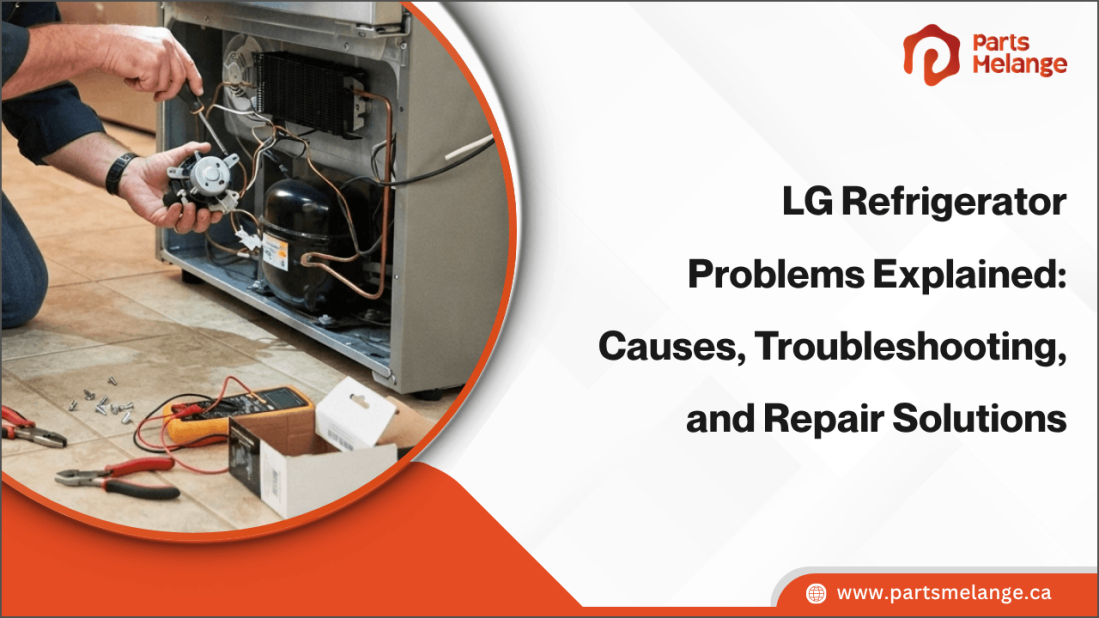
LG refrigerators offer advanced cooling features, efficient storage, and convenient functions like ice makers and water dispensers. However, issues such as poor cooling, water leaks, unusual noises, and ice production failures can affect their daily performance.
Most LG refrigerator problems are linked to specific causes, from airflow restrictions and sensor failures to worn-out components. Identifying the symptoms and understanding the faulty part can help restore proper refrigerator operation with the right LG replacement solution.
This blog explains common LG refrigerator problems, their causes, troubleshooting methods, and solutions to keep your appliance working efficiently.
What Causes LG Refrigerator Problems?
LG refrigerator problems can occur when cooling, electrical, or water system components fail to work properly. Issues like poor cooling, leaks, and ice maker failures are often caused by airflow restrictions, worn parts, or control system faults.
Several components can contribute to LG refrigerator issues. The most common causes include:
Restricted Airflow Inside the Refrigerator
Blocked air vents, frost buildup, or overcrowded shelves can prevent cold air from circulating properly between the freezer and refrigerator sections, leading to uneven cooling.
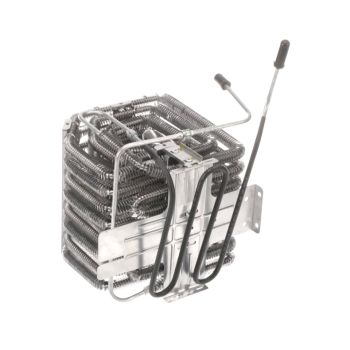
Dirty Condenser Coils Reducing Cooling Efficiency
Dust and debris on condenser coils reduce heat release from the refrigeration system. This forces the compressor to work harder and can affect overall cooling performance.
Faulty Evaporator Fan Motor
The evaporator fan circulates cold air throughout the refrigerator. A damaged fan motor can reduce airflow and cause the refrigerator section to become warmer than the freezer.
Defective Temperature Sensor or Thermistor
A faulty temperature sensor may send incorrect readings to the control board, causing improper cooling cycles and temperature fluctuations.
Damaged Door Gasket
A cracked or worn door gasket allows warm air to enter the refrigerator. This can cause longer cooling cycles and difficulty maintaining the set temperature.
Water Supply System Issues
Problems with water filters, inlet valves, or supply lines can affect water dispensing, ice production, and may lead to leaks.
Refrigerator Control Board Failures
The control board manages functions like temperature settings, fan operation, and defrost cycles. A failure can interrupt multiple refrigerator operations.
Understanding these causes helps identify the right solution and replacement part for LG refrigerator problems.
Keep your LG refrigerator operating at its best with high-quality home appliance parts at PartsMelange. Find durable replacement components like evaporator fan motors, water inlet valves, ice maker assemblies, door gaskets, control boards, and sensors to restore performance and prevent common refrigerator issues.
Most Common LG Refrigerator Problems and Their Warning Signs
LG refrigerator problems often appear through noticeable changes in cooling, water flow, ice production, and operating sounds. Identifying these warning signs early can help determine the affected component and the right troubleshooting approach.
The following table highlights common issues and the warning signs that help identify them.
Common Refrigerator Problem | Warning Signs |
LG Refrigerator Not Cooling | Warm food, higher internal temperature, weak airflow from vents, compressor running for extended periods |
Freezer Works but Refrigerator Is Warm | Fresh food section not cooling, little cold air movement, blocked vents, frost buildup near the evaporator area |
Water Leaking Inside or Underneath | Water pooling under drawers, moisture inside the cabinet, puddles near the floor, leaking water connections |
LG refrigerator ice maker not working | Empty ice bin, reduced ice production, small ice cubes, water not entering the ice tray |
Loud Buzzing or Clicking Sounds | Repeated clicking from the back, buzzing during operation, unusual compressor or fan noises |
Water Dispenser Not Working | Weak water flow, no water output, frozen water line, faulty dispenser operation |
Frost Buildup in Freezer | Thick ice layers, blocked airflow, frozen food packages, reduced freezer space |
Refrigerator Running Constantly | Compressor running continuously, long cooling cycles, difficulty maintaining temperature, increased energy usage |
These warning signs help identify common LG refrigerator issues and the areas that may need attention.
How to Troubleshoot LG Refrigerator Problems at Home
Before troubleshooting your LG refrigerator, check the basic settings, airflow, and visible signs of damage that may affect performance. Always disconnect the power supply before checking electrical components to ensure safe troubleshooting.
Step 1: Check Temperature Settings
Confirm that the refrigerator and freezer temperatures are set correctly. The recommended settings are around 37°F for the refrigerator section and 0°F for the freezer. Incorrect settings can cause cooling issues.
Step 2: Inspect Air Vents for Blockages
Check the vents inside the refrigerator and freezer compartments. Remove food items blocking airflow and clear any frost buildup around the vents to improve cold air circulation.
Step 3: Clean the Condenser Coils
Inspect the condenser coils for dust and debris buildup. Cleaning the coils helps the refrigerator release heat properly and improves cooling efficiency.
Step 4: Check the Door Gasket Seal
Examine the door gasket for cracks, tears, or loose sections. A damaged gasket allows warm air to enter and can reduce cooling performance.
Step 5: Check the Water Filter and Supply Line
If the refrigerator has water leaks or ice maker issues, inspect the water filter and supply connections. Replace a clogged filter and check for loose or damaged water lines.
Step 6: Inspect for Frost Buildup
Look for excessive frost on freezer walls, vents, or the evaporator area. Heavy ice buildup can block airflow and affect cooling performance.
Step 7: Listen for Unusual Sounds
Identify the source of unusual noises such as clicking, buzzing, or grinding. These sounds can help locate issues with the compressor, evaporator fan, or condenser fan.
Step 8: Reset the Refrigerator
Unplug the refrigerator for a few minutes and reconnect the power. A reset can help clear minor electronic issues affecting controls or temperature operation.
If these troubleshooting steps do not resolve the problem, inspect the related essential refrigerator componentsand consider replacing the faulty part.
Repair Solutions for Common LG Refrigerator Problems
Once the faulty component is identified, replacing the damaged or worn part can help restore proper refrigerator performance. The right LG refrigerator repair solution depends on the specific issue and the component causing the failure.
Replace the Evaporator Fan Motor for Cooling Issues
A failed evaporator fan motor can prevent cold air from circulating between the freezer and refrigerator sections. Replacing the fan motor restores airflow and helps maintain consistent temperatures.
Replace the Temperature Sensor or Thermistor
A defective thermistor can send incorrect temperature readings to the control board. Installing a new sensor helps the refrigerator regulate cooling cycles accurately.
Replace the Door Gasket for Air Leakage
A damaged door gasket allows warm air to enter the refrigerator compartment. Replacing the worn gasket improves the door seal and helps maintain stable temperatures.
Clean or Replace the Condenser Components
Dirty condenser coils can reduce cooling efficiency, while a faulty condenser fan can affect heat removal. Cleaning the coils or replacing a damaged fan helps the refrigeration system operate properly.
Replace the Water Inlet Valve for Water and Ice Issues
A faulty water inlet valve can restrict water flow to the dispenser and ice maker. Replacing the valve can restore proper water supply and improve ice production.
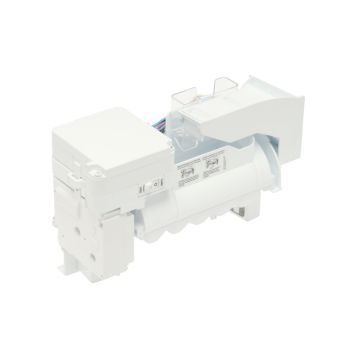
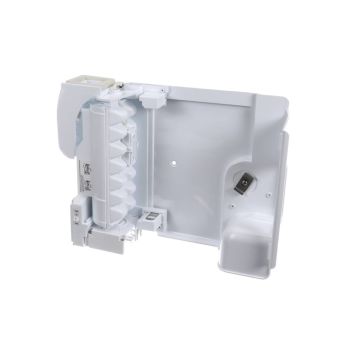
Replace the Ice Maker Assembly
When the ice maker motor, tray mechanism, or internal sensors fail, replacing the ice maker assembly can restore automatic ice production.
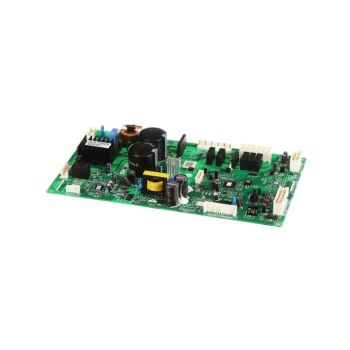
Replace the Control Board for Electrical Failures
A damaged control board can interrupt temperature regulation, fan operation, and defrost cycles. Replacing the board helps restore communication between refrigerator components.
Replace the Compressor Start Relay for Starting Problems
A faulty start relay can prevent the compressor from starting correctly, causing clicking sounds or cooling failures. Installing a new relay can restore compressor operation when the compressor itself is functioning properly.
Choosing the correct LG refrigerator replacement part based on the failure symptom helps restore cooling, water, and ice functions effectively.
Check out 10 Common Refrigerator Parts Issues & How to Solve Them Quicklyto identify problems, understand possible causes, and find the right replacement solutions.
Summary: Prevent Future LG Refrigerator Problems with Routine Maintenance
LG refrigerator problems can often be prevented by keeping key components clean, checking for early warning signs, and replacing worn parts when needed. Regularly cleaning condenser coils, maintaining proper airflow, checking door seals, and replacing water filters on schedule help support consistent cooling and efficient operation.
Understanding common issues such as cooling failures, water leaks, ice maker problems, and unusual noises makes it easier to identify problems early. Using the right replacement parts for damaged components can help restore refrigerator performance and extend the appliance’s service life.
Key Takeaways
Keep condenser coils clean to maintain proper cooling efficiency.
Avoid blocking air vents to support consistent airflow.
Check door gaskets for damage or air leaks.
Replace water filters regularly to maintain water and ice performance.
Address unusual noises, leaks, and temperature changes early.
Use the correct replacement parts for effective repairs.
FAQs
Why is my LG refrigerator not cooling but the freezer is working?
This usually happens due to a failed evaporator fan motor, blocked airflow vents, frost buildup, or a faulty damper control preventing cold air from reaching the refrigerator section.
Why is my LG refrigerator leaking water inside or underneath?
Water leaks are commonly caused by a clogged defrost drain, damaged water line, faulty water inlet valve, or a blocked drainage system that prevents proper water flow.
Why is my LG refrigerator making loud buzzing or clicking noises?
Buzzing or clicking sounds may indicate issues with the compressor start relay, condenser fan, evaporator fan, or ice maker components. Identifying the sound location helps find the cause.
How do I know if my LG refrigerator compressor is failing?
Signs of compressor failure include poor cooling, repeated clicking sounds, the compressor running hot, longer cooling cycles, or the refrigerator not reaching the set temperature.
Why is my LG ice maker not producing ice?
An LG ice maker may stop producing ice due to a clogged water filter, frozen fill tube, faulty water inlet valve, incorrect freezer temperature, or a damaged ice maker assembly.
Disclaimer: This blog is for informational purposes only and provides general guidance about LG refrigerator problems, troubleshooting, and maintenance. Specific issues may vary by appliance model. |





Please complete your information below to login.
Sign In
Create New Account