
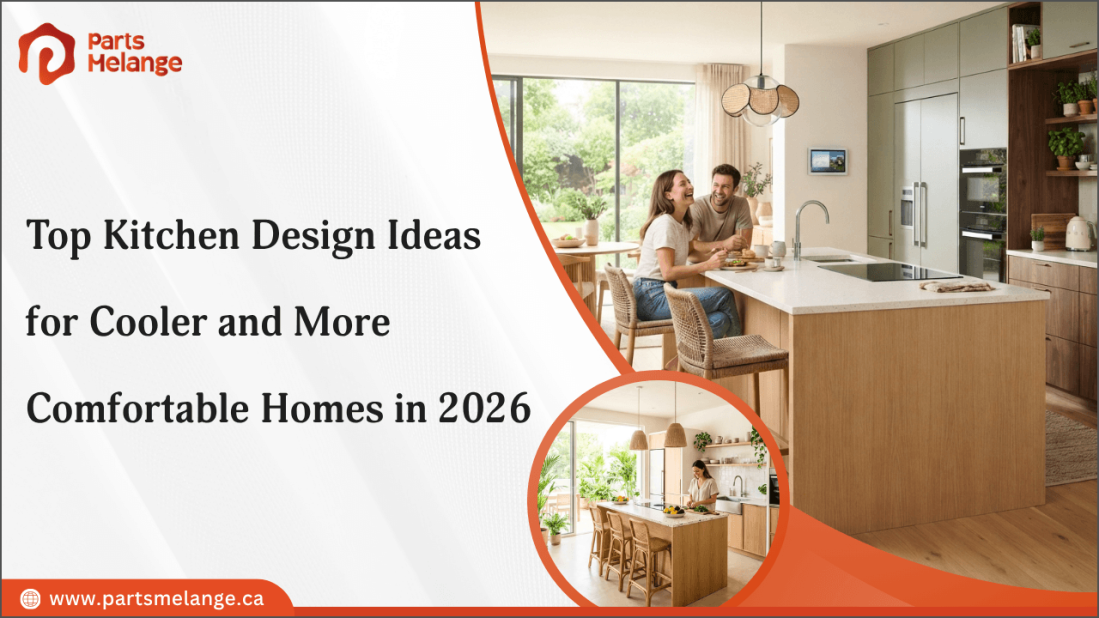
Cooking can quickly make a kitchen feel warm, especially during summer or in homes with limited ventilation. Heat from ovens, cooktops, refrigerators, and dishwashers often raises the room temperature, making everyday cooking less comfortable. Modern kitchen designs are now focused on reducing heat buildup while improving airflow, lighting, and energy efficiency.
In 2026, homeowners are choosing kitchen layouts and features that offer both comfort and functionality. From better ventilation systems and induction cooking to heat-reflective materials and smart appliances, today's kitchens are designed to stay cooler without compromising performance or style.
This blog covers the top kitchen design ideas for creating a cooler and more comfortable home in 2026.
How Modern Kitchen Designs Are Improving Home Comfort in 2026
Modern kitchen designs in 2026 focus on more than appearance. They aim to create a space that stays comfortable during cooking by reducing heat buildup, improving airflow, and increasing energy efficiency. A combination of thoughtful layouts, efficient appliances, and smart technology helps homeowners maintain a cooler kitchen while making everyday tasks more convenient.
Key features improving kitchen comfort include:
Better kitchen layouts: Open floor plans and wider walkways improve air circulation and prevent heat from getting trapped.
Efficient ventilation: High-capacity range hoods and exhaust systems remove heat, smoke, steam, and cooking odors more effectively.
Energy-efficient appliances: Induction cooktops, inverter refrigerators, and ENERGY STAR® appliances generate less excess heat while reducing electricity consumption.
Smart technology: Automated ventilation, motion-sensor lighting, and smart appliance controls optimize energy use and improve indoor comfort.
Heat-resistant materials: Light-colored cabinets, quartz countertops, and reflective finishes help create a brighter, cooler kitchen environment.
Together, these design improvements make kitchens more comfortable throughout the year while lowering energy consumption and creating a practical space for cooking, dining, and everyday family activities.
Cooling-Focused Layout Ideas for Better Airflow and Space Management
A kitchen layout has a direct impact on indoor temperature and comfort. In 2026, designers are creating layouts that improve air circulation, reduce heat buildup around cooking areas, and make better use of available space. The following layout ideas help create a cooler and more functional kitchen.
Open-Concept Layouts for Better Air Circulation
Open kitchens allow warm air to move freely into adjacent living or dining spaces instead of remaining trapped in one room. This layout also improves natural ventilation when paired with windows or patio doors.
Strategic Placement of Cooking Appliances
Installing cooktops and ovens near exterior walls makes it easier for range hoods and exhaust systems to remove heat, steam, and cooking odors. Keeping refrigerators away from heat-producing appliances also helps maintain cooling efficiency.
Proper Clearance Around Kitchen Islands
Maintaining 36–42 inches of space between islands and surrounding countertops improves movement and allows air to circulate more effectively. It also prevents the kitchen from feeling cramped during meal preparation.
Maximize Natural Ventilation
Large windows, sliding glass doors, skylights, and cross-ventilation allow fresh air to enter while pushing warm air outside. This reduces the need for mechanical cooling during mild weather.
Create Functional Kitchen Work Zones
Separating cooking, preparation, cleaning, and storage areas reduces congestion around heat-generating appliances. A well-organized workflow also makes cooking more efficient and comfortable.
These layout strategies improve airflow, reduce excess heat, and create a kitchen that remains comfortable for everyday cooking and entertaining.
Energy-Saving Appliances and Smart Features for a Cooler Kitchen
Kitchen appliances can contribute significantly to heat buildup and energy consumption. In 2026, homeowners are choosing efficient appliances and smart features that reduce waste heat, lower electricity use, and improve everyday kitchen comfort.
Appliance or Feature | How It Helps Reduce Heat | Comfort and Efficiency Benefit |
Induction Cooktops | Uses electromagnetic energy to heat cookware directly instead of heating the surrounding surface | Produces less ambient heat and provides faster temperature control |
Energy-Efficient Refrigerators | Uses inverter compressors, improved insulation, and advanced cooling systems | Reduces energy consumption and prevents excess heat release into the kitchen |
Smart Ovens | Uses temperature sensors and automated cooking programs to control heat more accurately | Shortens cooking time and minimizes unnecessary heat generation |
High-Efficiency Range Hoods | Removes hot air, steam, smoke, and cooking odors through improved airflow | Keeps the kitchen cooler and improves indoor air quality |
LED Smart Lighting | Produces less heat compared to traditional bulbs while using less electricity | Provides better lighting with reduced energy waste |
Smart Energy Monitoring Systems | Tracks appliance usage and identifies high-energy consumption patterns | Helps homeowners optimize energy use and lower operating costs |
These energy-saving upgrades help create a cooler kitchen by reducing heat generation and improving appliance performance. Smart technology also allows homeowners to manage energy use more effectively.
Explore How Concealed Appliances Are Driving the Next Wave of Toronto Kitchen Design to see how integrated appliances create cleaner, more functional spaces.
Trending Materials and Design Elements for a Comfortable Kitchen Makeover
Kitchen materials and design choices play an important role in creating a comfortable space. In 2026, homeowners are selecting finishes that improve durability, reflect light, support better temperature control, and create a more open kitchen environment.
Light-Colored Cabinets and Reflective Finishes
Light shades such as white, beige, and soft gray help reflect natural light and make kitchens feel brighter and more spacious. Reflective surfaces can also reduce heat absorption, especially in kitchens exposed to direct sunlight.
Durable and Low-Maintenance Countertops
Quartz and other engineered stone countertops are popular for their durability and easy maintenance. These materials resist stains, scratches, and daily wear while providing a clean, modern appearance.
Natural Materials for a Balanced Look
Wood accents, bamboo cabinetry, and stone textures add warmth without making the kitchen feel crowded. These materials create a comfortable atmosphere while supporting modern and sustainable design trends.
Improved Lighting Design
Layered lighting with LED under-cabinet lights, ceiling fixtures, and natural light sources improves visibility while producing less heat than traditional bulbs. Proper lighting placement also makes cooking areas more functional.
Sustainable Design Features
Eco-friendly materials, recycled surfaces, and energy-efficient fixtures are becoming more common in kitchen renovations. These options help create long-lasting designs while reducing environmental impact.
By combining practical materials with thoughtful design elements, homeowners can create kitchens that feel cooler, more comfortable, and better suited for everyday use.
Check out Kitchen Remodeling Trends Defining the Future of Home Design in 2026 and explore the latest ideas shaping modern, functional, and comfortable kitchens.
Summary: Creating a Cooler Kitchen with Smart Designs and Energy-Saving Features
Modern kitchen designs in 2026 focus on improving comfort, reducing heat buildup, and making daily cooking more efficient. Features like better layouts, improved ventilation, energy-saving appliances, and smart technology help create kitchens that stay cooler while supporting everyday needs.
Choosing the right materials, appliance placement, and design elements can improve airflow, reduce energy consumption, and create a more comfortable cooking environment. These upgrades allow homeowners to enjoy a functional kitchen that combines style, efficiency, and long-term convenience.
Key Takeaways
Open layouts and proper appliance placement improve airflow and reduce heat buildup.
Energy-efficient appliances like induction cooktops and smart refrigerators help lower energy use.
Advanced ventilation systems remove heat, steam, and cooking odors more effectively.
Light-colored finishes and durable materials create a brighter, more comfortable kitchen space.
Smart kitchen technology improves convenience while supporting better energy management.
Upgrade your kitchen with quality home appliance parts from PartsMelange. Explore a wide range of replacement parts for refrigerators, ovens, dishwashers, and other home appliances to support better performance, efficiency, and long-lasting kitchen comfort.
References:
https://www.nar.realtor/news/styled-staged-sold/designing-a-kitchen-in-2026-six-trends-to-watch
https://odcdinteriors.com/blog/sustainable-interior-design/the-importance-of-airflow-in-interior-design-to-create-connected-spaces/
FAQs
Which kitchen appliances help keep the kitchen cooler?
Induction cooktops, energy-efficient refrigerators, smart ovens, and high-performance range hoods help reduce excess heat by using energy more efficiently and minimizing heat loss.
What ventilation features improve kitchen comfort?
Range hoods, exhaust fans, and cross-ventilation systems help remove heat, steam, smoke, and cooking odors. Choosing the right ventilation capacity improves air circulation during cooking.
Which materials are best for a comfortable kitchen design?
Light-colored cabinets, quartz countertops, natural wood accents, and sustainable materials can improve the kitchen’s appearance while creating a brighter and more comfortable environment.
Disclaimer: This blog is for informational purposes only and provides general guidance about kitchen design ideas, energy-efficient appliances, and comfort-focused improvements. |








Please complete your information below to login.
Sign In
Create New Account