
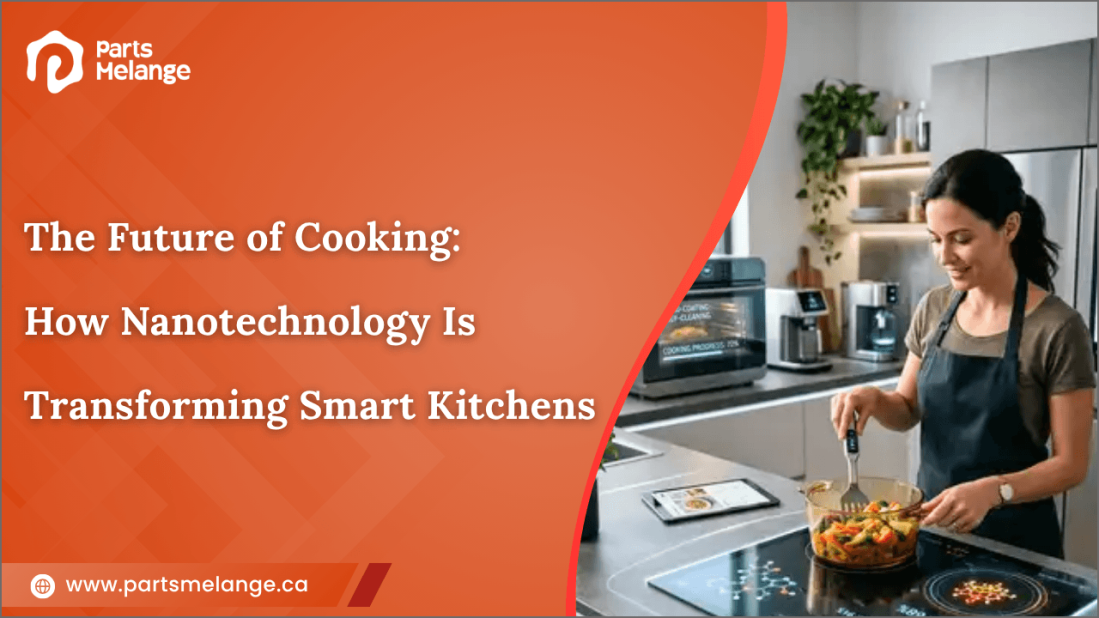
Technology is rapidly changing the way modern kitchens function, making cooking faster, smarter, and more efficient than ever before. One of the most exciting innovations behind this transformation is nanotechnology. From smart appliances and self-cleaning surfaces to advanced food storage solutions, nano-enabled technology is helping create kitchens that are more convenient, hygienic, and energy-efficient.
As consumers continue to adopt smart home technologies, nanotechnology is becoming an important part of the future cooking experience. It improves appliance performance, supports better food preservation, and helps reduce maintenance and energy usage in both residential and commercial kitchens.
This blog explains how nanotechnology is improving smart kitchens, cooking efficiency, food safety, and future kitchen innovations.
What Is Nanotechnology and How Does It Work in Smart Kitchens?
Nanotechnology refers to the use of extremely small particles and materials designed to improve the performance, efficiency, and durability of kitchen appliances and surfaces. In smart kitchens, nano-based technology helps create advanced cooking systems that are cleaner, faster, and more energy-efficient.
Key ways nanotechnology supports smart kitchens include:
Improving heat transfer and cooking efficiency
Enhancing appliance durability and scratch resistance
Supporting better hygiene with antibacterial materials
Reducing energy consumption in kitchen appliances
Helping smart sensors monitor cooking conditions accurately
Making kitchen surfaces easier to clean and maintain
These nano-enabled advancements are helping modern kitchens become more intelligent, convenient, and efficient for everyday cooking and food preparation.
How Nanotechnology Supports Smart Kitchen Efficiency
Nanotechnology is helping modern smart kitchens become more efficient, hygienic, and energy-saving. Nano-based materials and smart sensing technologies are improving heat control, food storage, cleanliness, and overall kitchen performance. These innovations are designed to support faster cooking, better food preservation, and easier kitchen maintenance.
The table below highlights some common nanotechnology applications used in smart kitchens and their benefits.
Smart Kitchen Feature | Nanotechnology Used | Main Benefit |
Non-Stick Cookware | Nano-coated cooking surfaces | Requires less oil and supports easier cleaning |
Smart Food Storage | Antibacterial nano materials | Helps maintain food freshness for longer |
Water Purification Systems | Nano filtration membranes | Improves water quality and removes contaminants |
Smart Kitchen Sensors | Nano-enabled sensing technology | Helps monitor temperature and moisture accurately |
Kitchen Surfaces | Nano protective coatings | Resists stains, grease, and bacterial buildup |
Food Packaging | Nano freshness-monitoring materials | Helps detect spoilage and reduce food waste |
These nano-enabled technologies are helping create smarter, cleaner, and more efficient kitchen environments for modern homes and kitchens.
How Nanotechnology Enhances Food Safety and Preservation
Food safety and preservation are becoming more advanced with the use of nanotechnology in modern kitchens. Smart storage systems now use nano-based materials and sensors to help reduce bacterial growth, maintain freshness, and improve hygiene. These innovations play an important role in reducing food waste and ensuring safer food storage practices.
Key nano-enabled solutions include:
Antimicrobial Food Storage Solutions: Nano-coated storage containers and refrigerator interiors help prevent the growth of bacteria and harmful microorganisms. This helps keep food fresh for longer periods and improves overall food safety.
Smart Packaging for Freshness Detection: Nano-enabled packaging systems can monitor temperature, moisture, and gas levels inside food packages. Some smart packaging technologies can even indicate early signs of spoilage.
Advanced Water and Air Filtration: Nano filtration systems help remove microscopic impurities, contaminants, and bacteria from water and air used in kitchen environments. This supports cleaner food preparation and better kitchen hygiene.
Better Temperature and Moisture Control: Nano sensors in smart refrigerators and food storage systems help maintain proper storage conditions. Accurate temperature and humidity control can help reduce spoilage and preserve food quality.
These nano-enabled technologies are helping modern kitchens improve hygiene, extend food shelf life, and support safer food preservation practices.
Future Smart Kitchen Innovations Powered by Nanotechnology
Nanotechnology is expected to bring major changes to the next generation of smart kitchens. As kitchen technology becomes more advanced, nano-based materials and smart systems will help improve automation, efficiency, cleanliness, and cooking accuracy. These innovations are designed to create kitchens that are more convenient, energy-saving, and user-friendly for everyday cooking.
These future advancements are expected to be driven by several key innovations:
Self-Cleaning Kitchen Surfaces: Future smart kitchens may include nano-coated countertops and appliances that resist stains, grease, and bacterial buildup. These surfaces can help reduce cleaning time while maintaining better kitchen hygiene.
Intelligent Cooking Systems: Smart appliances powered by nano sensors may be able to monitor cooking conditions more accurately. These systems could automatically adjust heat and cooking settings to improve food quality and consistency.
Advanced Food Freshness Monitoring: Nano-enabled packaging and storage systems may help detect food spoilage and changes in freshness levels. This can help users store food more safely and reduce unnecessary food waste.
Energy-Saving Smart Appliances: Future nano-based appliances are expected to improve heat efficiency and reduce energy consumption. Better insulation and heat control technologies may help kitchens operate more sustainably.
As nanotechnology continues to develop, smart kitchens are likely to become more connected, efficient, and personalized for modern cooking needs.
Explore Kitchen Remodeling Trends Defining the Future of Home Design and discover how modern innovations are transforming functionality, style, and everyday living.
Summary: The Future of Smart Cooking With Nanotechnology
Nanotechnology is transforming modern kitchens by improving appliance performance, food safety, energy efficiency, and overall cooking convenience. From nano-coated cookware and smart sensors to advanced food storage systems, these innovations are helping create smarter and more hygienic kitchen environments for homes and commercial spaces.
As smart kitchen technology continues to evolve, nanotechnology is expected to support more advanced automation, precision cooking, and sustainable kitchen solutions. Future innovations may include self-cleaning surfaces, intelligent cooking systems, and improved food freshness monitoring technologies.
Key Takeaways
Nanotechnology improves the efficiency and durability of smart kitchen appliances
Nano coatings help enhance heat distribution and simplify cleaning
Smart nano sensors support better cooking precision and food storage
Antimicrobial nano materials help improve food safety and preservation
Future smart kitchens may become more automated and energy-efficient with nanotechnology
Shop high-quality smart kitchen and home appliance partsat PartsMelange to keep your appliances performing at their best. Find reliable replacement components for dishwashers, refrigerators, stoves, ovens, air fryers, and mixers to ensure efficient operation, improved performance, and extended appliance life.
References:
https://www.sciencedirect.com/science/article/pii/S2666154325002029
https://pubs.rsc.org/en/content/articlehtml/2020/ra/d0ra01084g
FAQs
How do nano sensors work in smart kitchens?
Nano sensors can monitor temperature, moisture, air quality, and food conditions with high accuracy, helping smart appliances improve cooking performance and food storage.
Why are nano-coated surfaces popular in modern kitchens?
Nano-coated surfaces are resistant to stains, grease, scratches, and bacterial buildup, making them easier to clean and maintain in busy kitchen environments.
Can nanotechnology make kitchen appliances more durable?
Yes, nano-based materials can improve scratch resistance, reduce wear and tear, and extend the lifespan of kitchen appliances and cookware.
| Disclaimer: This blog is for informational purposes only and provides general insights about nanotechnology and smart kitchen innovations. Technologies, features, and applications may vary depending on the brand, product, and future advancements. |






Please complete your information below to login.
Sign In
Create New Account