
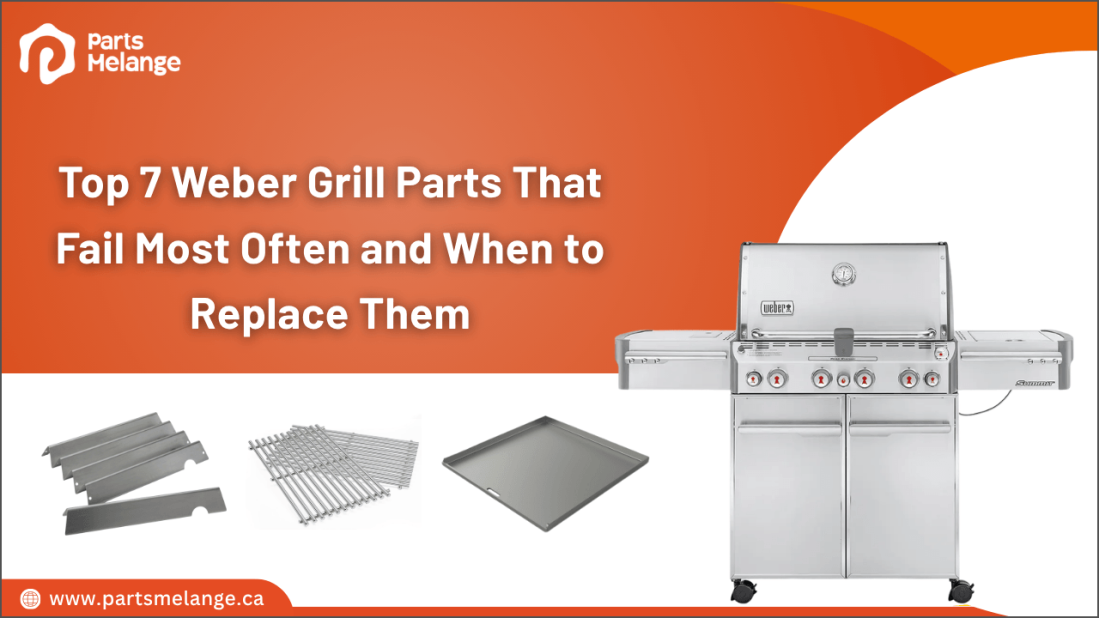
Weber grills are designed for long-lasting performance, but regular grilling exposes important components to high heat, grease, and outdoor weather. Over time, these conditions can cause certain parts to wear out, reducing cooking efficiency and affecting overall grill performance.
Replacing worn parts before they fail completely helps maintain even heat, reliable ignition, and better cooking results. Regular inspections and timely replacement of Weber grill parts can also extend the life of your grill while preventing costly repairs.
This blog explains the most common Weber grill parts that fail, the signs they need replacement, and simple maintenance tips to keep your grill performing its best.
| Table of Contents Why Weber Grill Parts Wear Out Over Time Top 7 Weber Grill Parts That Fail Most Often When to Replace Common Weber Grill Parts Maintenance Tips to Extend the Life of Weber Grill Parts |
Why Weber Grill Parts Wear Out Over Time
Weber grill parts are designed for repeated outdoor cooking, but constant exposure to high temperatures, grease, moisture, and weather conditions gradually affects their performance. Burners can develop rust or blocked ports, Flavorizer bars may wear down from grease and heat, and cooking grates can lose their protective coating after years of use. These issues can lead to uneven heating, flare-ups, and reduced grilling efficiency.
Several factors contribute to faster part wear:
Repeated heat exposure: Continuous heating and cooling cycles can weaken metal parts, causing warping, cracks, or corrosion.
Grease and food buildup: Grease deposits can trap moisture, create carbon buildup, and affect burner performance.
Outdoor exposure: Rain, humidity, and temperature changes accelerate rust and deterioration on unprotected components.
Heavy usage: Frequent grilling puts more stress on burners, grates, and ignition parts, reducing their service life.
Limited maintenance: Skipping regular cleaning allows small issues to develop into larger component failures.
Cleaning the grill regularly and replacing worn parts when needed helps maintain consistent temperatures, improve safety, and keep your Weber grill performing properly.
Looking for quality home appliance replacement parts ? PartsMelange offers a wide range of replacement components for home appliances and outdoor equipment. Find durable parts designed to restore performance, support repairs, and extend the life of your essential equipment.
Top 7 Weber Grill Parts That Fail Most Often
Even well-maintained Weber grills eventually require replacement parts due to heat, grease, and outdoor exposure. Certain components wear faster than others, and identifying early damage helps prevent uneven cooking, ignition problems, and reduced performance.
1. Burners: Burners work under direct heat during every cooking session, making them highly prone to wear. Rust, clogged ports, and reduced flame output can affect heat distribution.
Common signs of failure:
Weak or uneven flames
Rust holes or cracks
Yellow flame appearance
Uneven heating areas
2. Flavorizer Bars: Flavorizer bars protect burners from grease and help spread heat. Continuous heat and grease exposure can cause corrosion.
Common signs of failure:
Heavy rust or holes
Frequent flare-ups
Exposed burners
Uneven heat distribution
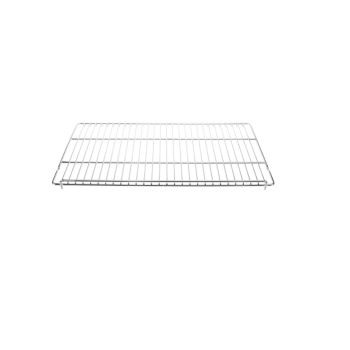
3. Cooking Grates: Cooking grates face direct heat and food contact, which can lead to rust and coating damage.
Common signs of failure:
Food sticking often
Rust buildup
Peeling coating
Warped surface
4. Igniter System: The igniter provides quick startup but can fail due to moisture, corrosion, and repeated use.
Common signs of failure:
No spark when igniting
Delayed startup
Clicking without ignition
Manual lighting required
5. Heat Deflectors: Heat deflectors help maintain even temperatures and protect burners from grease.
Common signs of failure:
Uneven cooking temperatures
Warped metal
Rust or burn-through areas
Excess heat on burners
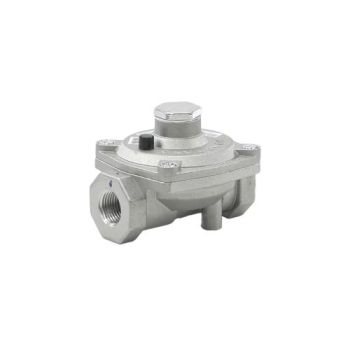
6. Gas Hose and Regulator: These parts control gas flow and can deteriorate due to age and weather exposure.
Common signs of failure:
Low flame output
Cracked hose surface
Gas smell near connections
Fluctuating flames
7. Lid Thermometer: The lid thermometer helps monitor cooking temperature but may lose accuracy over time.
Common signs of failure:
Incorrect temperature readings
Stuck needle
Moisture inside the gauge
Inconsistent display
Replacing worn Weber grill parts when needed helps maintain safe operation, consistent heat, and better grilling results.
When to Replace Common Weber Grill Parts
Replacing Weber grill parts at the right time helps maintain cooking performance and prevents sudden failures during use. Instead of waiting until a component stops working completely, inspect parts regularly and replace them when wear begins affecting heat control, ignition, or safety.
Weber Grill Part | Average Lifespan | When to Replace |
Burners | 5–10 years | Replace when rust, damaged ports, or reduced flame output affect heat performance. |
Flavorizer Bars | 3–7 years | Replace when heavy corrosion, holes, or burn-through areas appear. |
Cooking Grates | 3–7 years | Replace when rust, damaged coating, or warping affects cooking quality. |
Igniter System | 2–5 years | Replace when it stops creating a spark or fails to ignite the grill consistently. |
Heat Deflectors | 3–6 years | Replace when they become warped, damaged, or fail to distribute heat evenly. |
Gas Hose & Regulator | 5–10 years | Replace when cracks, leaks, or reduced gas flow affect grill operation. |
Lid Thermometer | As needed | Replace when temperature readings become inaccurate or inconsistent. |
Regular inspections, especially before grilling season, help identify worn components early and keep your Weber grill operating efficiently.
Maintenance Tips to Extend the Life of Weber Grill Parts
Proper maintenance helps reduce wear on Weber grill components and keeps the grill performing consistently. Regular cleaning, inspections, and protection from outdoor conditions can prevent premature damage and extend the lifespan of key parts.
Clean cooking grates after each use: Remove food residue and grease buildup while the grates are still warm to prevent corrosion and sticking.
Remove grease buildup regularly: Clean Flavorizer bars, drip trays, and the grill interior to reduce flare-ups and protect nearby components.
Inspect burners periodically: Check burner ports for clogs, rust, or uneven flames, and clean debris to maintain proper gas flow.
Use a grill cover: Protect your Weber grill from rain, moisture, and UV exposure to reduce rust and weather-related damage.
Check gas connections: Inspect hoses and regulators for cracks, leaks, or wear before the grilling season begins.
Perform seasonal deep cleaning: Remove and clean internal components to prevent carbon buildup and identify worn parts early.
Following these maintenance practices helps improve heat distribution, reduce unexpected part failures, and keep your Weber grill ready for reliable cooking.
Summary: Choosing the Right Replacement Parts for Your Weber Grill
Weber grill parts naturally wear out over time due to high heat, grease buildup, moisture, and regular use. Replacing worn burners, Flavorizer bars, cooking grates, igniters, and other components at the right time helps maintain consistent heat, improve cooking results, and prevent unexpected grill issues.
Choosing the correct Weber replacement parts for your grill model ensures proper fit, performance, and longer service life. Regular inspections and basic maintenance can also reduce wear and help your grill deliver reliable performance for years.
Key Takeaways:
Inspect common wear parts regularly to identify damage early.
Replace damaged components before they affect grill performance.
Match replacement parts with your specific Weber grill model.
Clean and protect your grill to extend part lifespan.
Proper maintenance helps maintain safe and consistent cooking results.
FAQs
How often should Weber grill burners be replaced?
Weber grill burners usually last 5–10 years, but replacement may be needed sooner if rust, uneven flames, or reduced heat output appears.
How do I know if my Weber Flavorizer bars need replacing?
Replace Flavorizer bars when they develop heavy rust, holes, burn-through areas, or cause increased flare-ups and uneven heat distribution.
Can I replace Weber grill parts myself?
Yes, most Weber grill parts can be replaced using basic tools. Follow safety steps and ensure the replacement matches your grill model.
Disclaimer: This blog is for informational purposes only and provides general information about Weber grill parts, replacement signs, and maintenance practices. |



Please complete your information below to login.
Sign In
Create New Account