
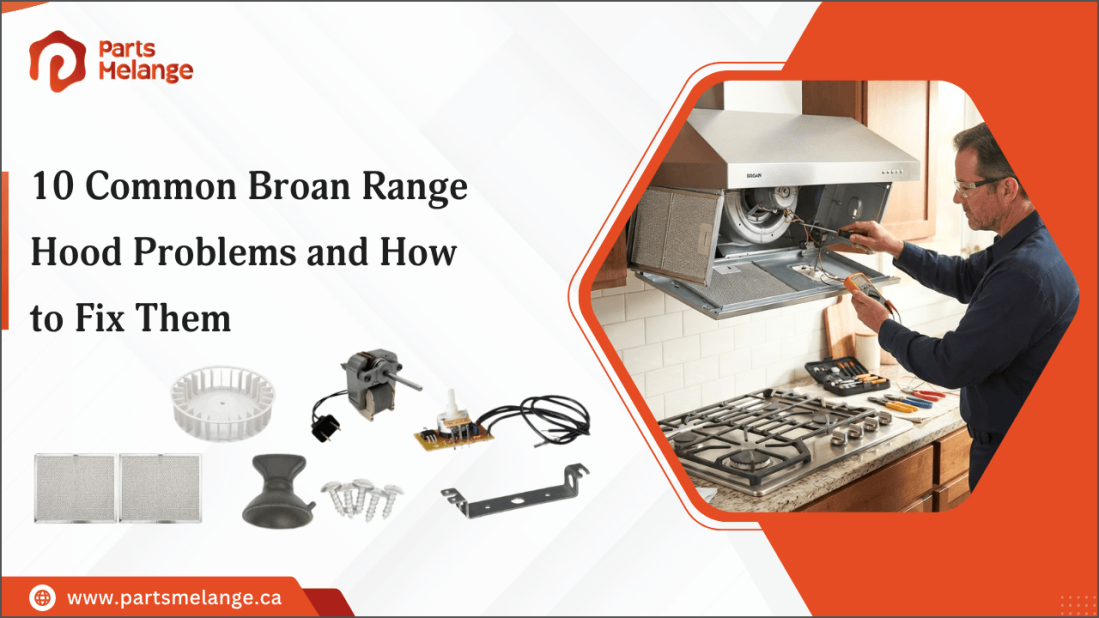
A Broan range hood helps maintain a cleaner and more comfortable kitchen by removing smoke, grease, steam, and cooking odors. With regular use, issues such as weak suction, unusual noises, lighting problems, or control failures can affect its performance.
Most Broan range hood problems occur due to clogged filters, grease buildup, electrical issues, or worn-out components. Identifying the cause early and using the right Broan range hood parts can help prevent major repairs while keeping your ventilation system working efficiently.
This guide covers common Broan range hood problems, their causes, troubleshooting steps, and maintenance tips to help restore proper airflow and extend your range hood's lifespan.
Why Broan Range Hood Problems Occur
Broan range hood problems usually happen due to regular exposure to grease, heat, moisture, and daily cooking residue. Over time, these factors can affect airflow, electrical performance, and the condition of internal components. Common causes include:
Grease and Dirt Buildup: Grease accumulation on filters, blower wheels, and internal surfaces can restrict airflow, reducing suction power and causing smoke and odors to remain in the kitchen.
Clogged or Blocked Ductwork: Grease, dust, or debris inside the exhaust duct can limit airflow and prevent the range hood from effectively removing cooking fumes.
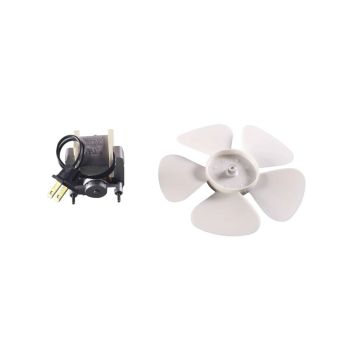
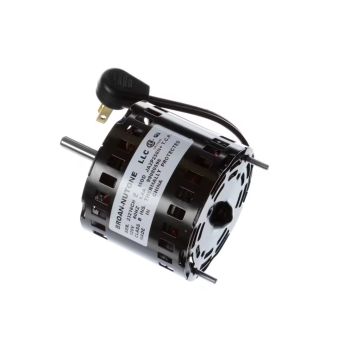
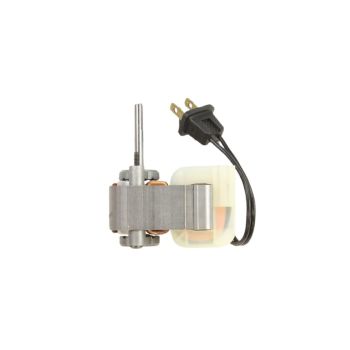
Worn Fan Motor or Blower Components: A damaged motor, worn bearings, or dirty blower wheel can cause weak suction, unusual noises, vibrations, or fan failure.
Electrical Component Issues: Faulty switches, control boards, capacitors, or loose wiring connections can cause problems such as the hood not turning on, speed control failures, or unresponsive buttons.
Improper Vent Installation: Incorrect duct size, excessive bends, or a blocked exterior vent can reduce ventilation efficiency even when the fan is operating properly.
Lack of Regular Maintenance: Failure to clean filters and inspect internal components regularly can lead to reduced performance and early failure of important Broan range hood parts.
Regular inspection, cleaning, and timely replacement of worn components help prevent these issues and keep your Broan range hood operating efficiently.
Keep your Broan range hood operating efficiently with quality home appliance replacement partsfrom PartsMelange. Find compatible replacement components like filters, fan motors, switches, control boards, and other essential parts to restore ventilation performance and support long-lasting repairs.
10 Common Broan Range Hood Problems and Their Solutions
Broan range hood problems can affect airflow, noise levels, lighting, and overall ventilation performance. While some issues can be fixed with simple cleaning or adjustments, others may require replacing damaged Broan range hood parts such as filters, motors, switches, or control components.
1. Range Hood Won't Turn On
A Broan range hood may fail to start due to power or electrical issues. If both the fan and lights stop working, the problem may be related to the power supply or internal electrical components.
Solution: Check the circuit breaker and confirm that the hood is receiving power. Inspect wiring connections and replace faulty switches, controls, or other damaged electrical parts if needed.
2. Fan Is Running but Has Weak Suction
Weak airflow usually happens when air movement is restricted inside the hood or exhaust system. This can reduce the hood’s ability to remove smoke, steam, and cooking odors.
Solution: Clean or replace grease filters, remove buildup from the blower wheel, and inspect ductwork for blockages that may limit airflow.
3. Fan Motor Is Noisy or Vibrating
Excessive noise or vibration often points to a mechanical issue with the blower assembly or motor. This can affect airflow and indicate that internal components are wearing out.
Solution: Check for loose mounting parts, clean grease from the fan blades, and replace the motor or blower components if unusual sounds continue.
4. Range Hood Light Won't Work
A faulty lighting system can make the cooking area difficult to see and may result from issues with the bulb or electrical connections.
Solution: Replace the bulb with a compatible replacement and inspect the light socket, switch, and wiring if the issue continues.
5. Fan Operates Only at One Speed
A Broan range hood that works on only one speed may have a problem with its fan control system.
Solution: Inspect the speed switch, capacitor, and control board. Replace the faulty component to restore proper fan speed operation.
6. Buttons or Control Panel Not Responding
An unresponsive control panel can prevent users from adjusting fan speeds or operating the lights.
Solution: Clean the control panel to remove grease or moisture buildup and check electrical connections. Replace the touchpad or control board if it remains unresponsive.
7. Excessive Grease Buildup Inside the Hood
Heavy grease buildup can restrict airflow and reduce the efficiency of the blower system.
Solution: Clean grease filters regularly and wipe internal surfaces to prevent residue from affecting performance.
8. Ventilation Is Poor or Air Isn't Exhausting Properly
Poor ventilation can occur when air cannot move freely through the exhaust system.
Solution: Inspect the ductwork, clean filters, and make sure the exterior vent damper opens properly during operation.
9. Circuit Breaker Trips When the Hood Is Running
A range hood that repeatedly trips the breaker may have an electrical fault or a failing component.
Solution: Inspect wiring connections and check the motor, capacitor, and control components for damage. Replace faulty parts to prevent repeated electrical interruptions.
10. Unpleasant Odors Remain After Cooking
Lingering odors usually indicate that the hood is not filtering or exhausting air effectively.
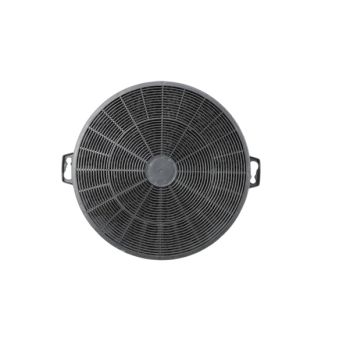
Solution: Clean grease filters, replace charcoal filters in ductless models, and check the ventilation system for airflow restrictions.
Regular inspection, cleaning, and timely replacement of worn Broan range hood parts can help maintain strong airflow, reduce operating problems, and extend the life of your range hood.
Maintenance Tips to Prevent Future Broan Range Hood Problems
Regular maintenance helps your Broan range hood maintain proper airflow, reduce noise, and prevent unexpected performance issues. Cleaning key areas and checking important components regularly can extend the life of the hood and reduce the need for repairs.
Clean Grease Filters Regularly
Wash reusable grease filters every 1–3 months, depending on cooking frequency.
Remove grease buildup that can restrict airflow and reduce suction.
Inspect the Blower Assembly
Check the blower wheel for grease and debris buildup.
Clean the fan area to prevent vibration, noise, and reduced airflow.
Monitor unusual sounds that may indicate motor wear.
Check the Ductwork and Exterior Vent
Inspect the exhaust duct for blockages, dust, or grease accumulation.
Make sure the outside damper opens properly when the hood is running.
Ensure the duct path is not restricted by bends or debris.
Replace Charcoal Filters on Time
Replace charcoal filters in ductless models when they become saturated.
Worn filters can reduce odor removal and affect ventilation performance.
Inspect Lights and Controls
Check buttons, switches, and control panels for inconsistent operation.
Replace damaged bulbs and inspect connections if lighting problems occur.
Address control issues early to prevent larger electrical failures.
Clean the Hood Surface and Interior
Wipe the exterior and interior surfaces regularly to remove grease buildup.
Avoid allowing residue to collect around the fan and electrical areas.
Keep the hood clean to support efficient operation.
Following these maintenance steps helps prevent common Broan range hood problems, improves ventilation performance, and keeps the system operating effectively for longer.
When to Repair or Replace Broan Range Hood Parts
Before replacing the entire range hood, check whether the issue can be solved by repairing or replacing specific components. Minor problems often require simple fixes, while damaged or failing parts may need replacement to restore performance.
Problem Area | When to Repair | When to Replace |
Performance Problems | Cleaning filters, removing grease buildup, or fixing minor airflow restrictions improves operation. | The hood continues to have weak suction or poor ventilation after maintenance. |
Fan Operation | Loose connections, dirt, or minor adjustments resolve fan issues. | The motor or blower assembly is damaged, overheats, or cannot maintain proper airflow. |
Electrical Function | Small wiring issues or loose connections can be corrected safely. | Switches, control boards, or electrical components fail and cause repeated problems. |
Noise and Vibration | Tightening hardware or cleaning fan components eliminates unusual sounds. | Worn motors or damaged blower parts continue causing noise or vibration. |
Lighting and Controls | Bulb replacement or cleaning restores normal operation. | Light assemblies, switches, or control panels stop working despite troubleshooting. |
Cost Consideration | Repair is practical when the range hood is otherwise in good condition. | Replacement is better when multiple parts fail or repair costs approach the price of a new unit. |
Choosing the right option depends on the severity of the problem, the condition of the range hood, and the cost of repairs. Timely replacement of worn Broan range hood parts can help maintain efficient ventilation and extend the appliance’s service life.
Summary: Keep Your Broan Range Hood Performing at Its Best
A well-maintained Broan range hood helps remove smoke, grease, steam, and cooking odors, creating a cleaner and more comfortable kitchen. Problems such as weak suction, excessive noise, lighting failures, or poor ventilation are often caused by clogged filters, worn components, or electrical issues that can be identified and addressed early.
Regular cleaning, routine inspections, and timely replacement of worn Broan range hood parts can restore performance and extend the appliance's lifespan. By understanding common problems and following proper maintenance practices, you can keep your range hood operating efficiently and reduce the need for costly repairs.
Key Takeaways
Clean grease filters every 1–3 months to maintain proper airflow.
Inspect the blower, ductwork, and exterior vent for blockages regularly.
Address unusual noises, weak suction, or lighting issues as soon as they appear.
Replace worn filters, motors, switches, or control components when repairs no longer restore performance.
Routine maintenance helps improve ventilation, reduce grease buildup, and extend the life of your Broan range hood.
FAQs
How often should I clean my Broan range hood filters?
Clean reusable Broan grease filters every 1–3 months, depending on cooking frequency. Replace charcoal filters in ductless models according to the manufacturer's recommended maintenance schedule.
Why is my Broan range hood making a humming noise?
A humming noise usually indicates grease buildup, loose components, or a worn fan motor. Inspect, clean, and tighten parts, replacing the motor if the noise persists.
Can clogged filters reduce the performance of a Broan range hood?
Yes. Clogged filters restrict airflow, reducing suction and making it harder to remove smoke, grease, steam, and cooking odors from your kitchen efficiently.
How do I know if my Broan range hood motor needs replacing?
Replace the motor if you notice weak airflow, loud noises, overheating, excessive vibration, or the fan stops working despite having a proper power supply.
Disclaimer: This blog is for informational purposes only and provides general information about Broan range hood issues, maintenance, and repairs. Solutions may vary by model and condition. |






Please complete your information below to login.
Sign In
Create New Account