
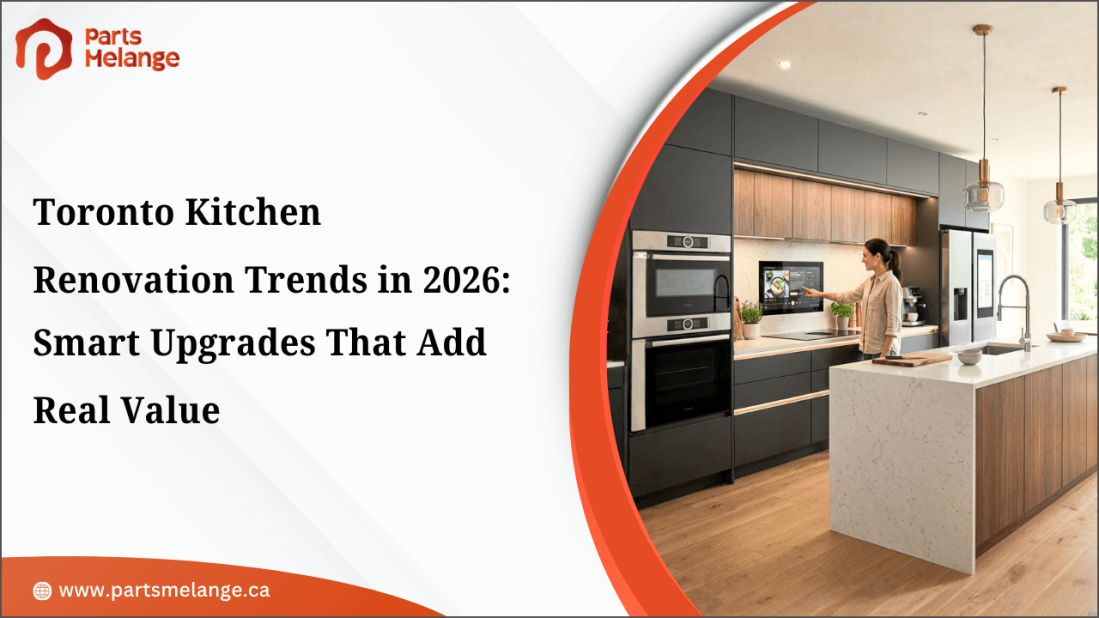
Toronto kitchen renovations in 2026 are shaped by the realities of compact urban living and rising household operating costs. In many Toronto homes and condos, kitchen spaces are limited in size but expected to support cooking, storage, dining, and even work-related tasks within the same footprint. As a result, design decisions are increasingly focused on practical improvements that make better use of available square footage.
At the same time, homeowners are placing greater emphasis on long-term performance rather than surface-level design changes. Materials, appliances, and layouts are selected based on durability, energy efficiency, and storage capacity, with an aim to reduce ongoing maintenance and utility expenses. This article explores the key kitchen renovation trends shaping Toronto homes in 2026 and the smart upgrades that deliver real, measurable value.
Toronto Kitchen Renovation Trends Driving Home Upgrades in 2026
Kitchen renovation trends in Toronto for 2026 are largely shaped by compact urban living conditions, rising utility costs, and the need for more efficient use of available space. Homeowners are moving away from purely decorative upgrades and focusing on practical improvements that directly enhance storage capacity, workflow efficiency, and long-term durability of kitchen components.
Key renovation trends include:
Full-height pantry systems (84–96 inches): Used to replace multiple upper cabinets and increase vertical storage for bulk groceries and appliances.
Deep drawer storage (10–12 inch heights): Preferred over shelves for pots, pans, and heavy cookware due to easier access and higher load capacity.
Panel-ready appliances: Refrigerators and dishwashers covered with matching cabinetry panels to create a uniform, built-in look.
Quartz countertops (low-resin, high-mineral content): Chosen for stain resistance, low maintenance, and durability under daily cooking use.
Zoned kitchen layouts: Separate prep, cooking, and cleaning areas to reduce movement and improve efficiency in compact kitchens.
These upgrades are being chosen for their measurable impact on storage efficiency, durability, and ease of use in compact Toronto kitchens, making them a practical investment for long-term home value.
Space-Saving Layouts and Concealed Storage Maximizing Functionality
Toronto homeowners are choosing compact kitchen layouts that improve storage efficiency and reduce clutter without increasing the kitchen footprint. The focus is on making storage systems work together to improve access, organization, and daily usability.
Vertical Storage Optimization
Vertical storage improves kitchen capacity by fully utilizing wall height instead of spreading storage across multiple cabinets.
Floor-to-ceiling pantry cabinets (84–96 inches) create a continuous storage space
Adjustable shelves support items of different heights in one unit
Reduces the need for multiple upper cabinets
Example: Dry goods, jars, and small appliances stored in tall pantry units
Deep Drawer Systems
Deep drawer systems improve organization by replacing lower cabinets with structured, accessible storage zones.
Heavy-duty slides support pots, pans, and cookware loads
Pull-out design improves visibility and reduces stacking
Keeps items organized in separate storage zones
Example: Pots, pans, and lids stored in deep drawers
Concealed Appliance Storage
Concealed storage improves kitchen functionality by keeping frequently used appliances accessible but off the counter.
Appliance garages with lift-up or sliding doors
Stores coffee machines, toasters, and small appliances
Frees up usable countertop space
Example: Coffee maker and toaster stored inside the cabinet unit
Corner Space Utilization
Corner storage systems are designed to make previously unused cabinet areas fully functional.
Pull-out trays and rotating shelves improve access
Converts blind corners into usable storage
Increases overall storage efficiency
Example: Cookware and containers stored in corner pull-outs
These upgrades help Toronto kitchens become more efficient, organized, and practical by ensuring each storage solution works as part of a connected, functional system.
Smart Appliances and Connected Features Improving Kitchen Efficiency
Smart kitchen technologies are becoming a common feature in Toronto renovations because they help automate routine tasks, improve energy management, and increase overall kitchen efficiency.
The table below highlights some of the most popular smart upgrades and their practical benefits.
Smart Feature | How It Works | Efficiency Benefit |
Smart Oven | Allows remote monitoring and temperature adjustments through a mobile app | Reduces cooking errors and improves meal planning |
Smart Refrigerator | Tracks food inventory and sends maintenance alerts | Helps reduce food waste and improve appliance performance |
Smart Induction Cooktop | Uses electromagnetic heating and automatic pan detection | Heats faster and reduces energy loss |
Touchless Faucet | Activates water flow through motion sensors | Improves hygiene and reduces water waste |
Smart Dishwasher | Adjusts water usage and cycle length based on load conditions | Improves water and energy efficiency |
Smart Lighting System | Controls brightness through automation or mobile apps | Reduces unnecessary energy consumption |
By integrating connected appliances and automated controls, homeowners can streamline daily kitchen activities while improving energy efficiency, convenience, and long-term appliance performance.
Energy-Efficient and Durable Upgrades That Reduce Long-Term Costs
Toronto homeowners are increasingly choosing kitchen upgrades that lower utility expenses and reduce future maintenance needs. Rather than focusing solely on appearance, many renovations prioritize materials and appliances that deliver consistent performance, durability, and cost savings over time.
Energy-Efficient Appliances
Modern appliances are designed to reduce electricity and water consumption while maintaining high performance.
ENERGY STAR-certified refrigerators, dishwashers, and ovens use less energy than older models
Helps lower monthly utility costs and improve overall efficiency
LED Lighting Solutions
LED lighting provides long-lasting illumination with lower energy usage.
Reduces energy consumption compared to traditional lighting options
Offers a longer lifespan, reducing replacement frequency
Durable Cabinet Construction
Stronger cabinet materials help extend the lifespan of kitchen storage systems.
Multi-ply plywood cabinetry offers better moisture resistance than particle board
Reduces the risk of swelling, warping, and structural damage over time
Long-Lasting Hardware
Quality hardware improves daily functionality and reduces maintenance requirements.
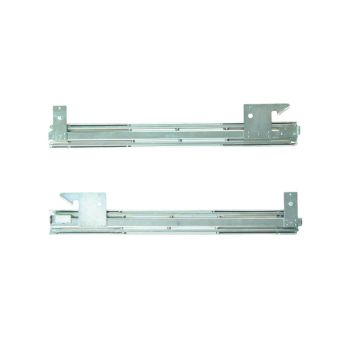
Soft-close hinges and drawer slides minimize wear from repeated use
Extends the lifespan of cabinets and drawers
Low-Maintenance Surface Materials
Durable surfaces help reduce upkeep while maintaining appearance.
Quartz countertops resist stains, scratches, and moisture
Eliminates the need for regular sealing and intensive maintenance
Water-Efficient Fixtures and Finishes
Water-saving fixtures and healthier materials improve long-term kitchen performance.
Modern plumbing fixtures and dishwashers are designed to use water more efficiently.
Low-VOC paints, adhesives, and finishes improve indoor air quality after renovation
These upgrades help create a kitchen that is more durable, energy-efficient, and cost-effective to maintain while supporting long-term home value.
Summary: Toronto Kitchen Renovation Trends in 2026
Toronto kitchen renovations in 2026 are focused on improving how efficiently kitchens function in compact urban homes and condos. Instead of surface-level design updates, homeowners are prioritizing layouts that improve storage organization, reduce clutter, and make daily cooking routines more practical within limited space.
At the same time, renovation decisions are increasingly guided by long-term performance. Smart appliances, concealed storage systems, and durable materials are being selected to reduce energy use, minimize maintenance needs, and improve overall kitchen efficiency over time.
Key Takeaways
Kitchen layouts are becoming more compact, efficient, and storage-focused
Smart appliances are improving convenience and daily usability
Concealed storage helps reduce countertop clutter and improve organization
Energy-efficient upgrades lower electricity and water consumption
Durable materials extend kitchen lifespan and reduce maintenance costs
Looking for quality home appliance parts? Shop essential replacement components at PartsMelange to keep your appliances operating efficiently. Find durable parts for dishwashers, refrigerators, stoves, ovens, air fryers, and more that help maintain performance, reduce downtime, and extend appliance lifespan.
References:
https://www.torontosfinesthomes.com/12-luxury-kitchen-trends-for-2026/
https://violetbuild.com/blog/2026-kitchen-design-trends-toronto/
FAQs
What are the key kitchen renovation trends in Toronto for 2026?
Key trends include space-saving layouts, concealed storage systems, smart appliances, and durable, energy-efficient materials designed for long-term performance in compact kitchens.
How do smart appliances improve kitchen efficiency?
Smart appliances improve efficiency through features like remote control, automated settings, and energy monitoring, helping reduce manual effort and improve daily kitchen management.
What upgrades help reduce long-term kitchen maintenance costs?
Energy-efficient appliances, LED lighting, quartz countertops, and plywood cabinetry help reduce maintenance needs while lowering utility and replacement costs over time.
Disclaimer: This blog is for informational purposes only and is intended to provide general guidance on kitchen renovation trends. Results may vary depending on individual projects. |







Please complete your information below to login.
Sign In
Create New Account