
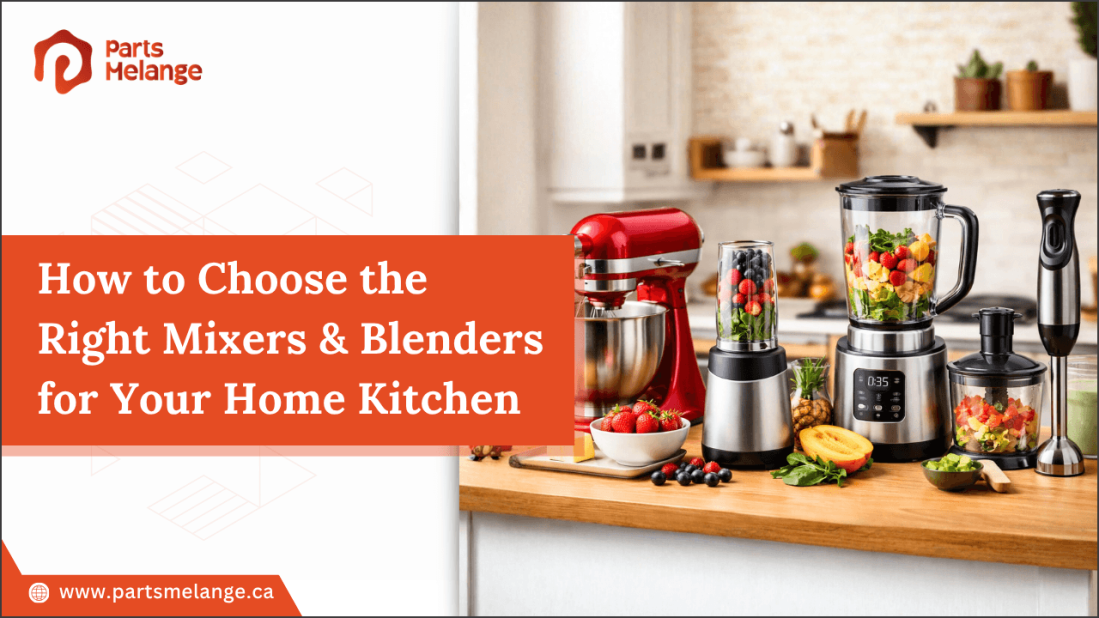
Choosing the right mixer or blender for your home kitchen depends on understanding how you cook and what tasks you perform most often. Whether you bake frequently, make smoothies, or prepare sauces and soups, selecting the right appliance ensures faster, easier, and more consistent results. Considering factors like power, capacity, and ease of use helps you pick a machine that fits your cooking style and daily needs.
A well-chosen blender and mixer not only saves time and effort but also improves the quality of your meals, reduces cleanup, and lasts longer with proper care. Choosing the right appliance can make everyday cooking and baking faster, easier, and more enjoyable.
This blog explains how to choose the perfect mixer or blender for your home kitchen, covering types, key features, and common mistakes to avoid.
Understanding the Role of Mixers and Blenders in Home Kitchens
Mixers and blenders serve different but complementary roles in a modern home kitchen. Understanding their purpose helps you select the right appliance for your cooking needs.
Mixers are primarily used for whipping, beating, and kneading. They are essential for baking tasks like preparing cake batter, whipping cream, or kneading bread dough.
Blenders handle liquid or semi-liquid preparations like smoothies, purees, soups, and sauces. High-speed or countertop blenders make it easy to process tough ingredients, crush ice, or create creamy soups in minutes.
Some appliances, like food processors or immersion blenders, combine the functions of both, offering versatility for smaller kitchens.
Using the right home appliance for the right task ensures better texture, taste, and consistency in your dishes, reduces effort, and minimizes cleanup. Knowing the role of each appliance makes it easier to decide whether you need a dedicated mixer, a blender, or a versatile combination for your home kitchen.
Types of Mixers and Blenders for Your Home Kitchens
Choosing the right mixer or blender depends on the tasks you perform most often and the space available in your kitchen. Home kitchens benefit from a combination of mixers and blenders, each suited for specific purposes.
Mixer Types:
Hand Mixers: Lightweight and portable, ideal for small tasks like whipping cream, mixing cake batter, or preparing small dough batches. Perfect for limited countertop space.
Stand/Countertop Mixers: Larger and more powerful, these mixers handle bigger batches, knead dough efficiently, and often include attachments like whisks, beaters, and dough hooks.
Planetary Mixers: Versatile appliances designed for whipping, mixing, and beating a wide range of ingredients. They are great for home bakers who want professional results.
Spiral Mixers: Best for heavy dough like bread or pizza. They mix large quantities evenly and are ideal for serious home bakers who make dough regularly.
Blender Types:
High-Speed Blenders: Perfect for smoothies, soups, sauces, and crushing ice, delivering fast and smooth results.
Immersion/Hand Blenders: Compact and convenient for blending directly in pots, jars, or bowls. Ideal for soups and sauces.
Food Processors/Blenders: Combine chopping, grinding, and blending, saving time on prep tasks like nut butter, pesto, or vegetables.
Selecting the right appliance ensures efficiency, consistent results, and makes cooking and baking easier, whether you’re a casual cook or a passionate home baker.
Key Features to Consider When Choosing a Mixer or Blender
Choosing the right mixer or blender requires evaluating features that affect performance, durability, and efficiency. Considering these factors ensures the appliance meets your cooking needs, works reliably, and lasts longer.
Feature | Why It Matters | Recommended For |
Motor Power | A higher wattage motor handles tough ingredients and heavy loads without overheating. | High-volume households, baking enthusiasts |
Speed Settings | Multiple speeds or pulse options give precise control over mixing or blending consistency. | All home cooks |
Capacity | Matches the appliance to your household size and batch requirements. | Families, batch cooking |
Ease of Cleaning | Removable parts that are dishwasher-safe save time and make regular use easier. | Busy kitchens, frequent users |
Attachments and Accessories | Extra whisks, dough hooks, or jars increase versatility for different recipes. | Baking enthusiasts, versatile cooking |
Build Quality | Durable materials like stainless steel or high-grade plastic ensure long-lasting performance. | All kitchens |
Noise Level | Quieter operation keeps the kitchen comfortable, especially in open-plan spaces. | Open kitchens, apartments |
Energy Efficiency | Appliances that use less electricity while maintaining performance save costs and reduce environmental impact. | Energy-conscious users |
Carefully evaluating these features helps you choose a mixer or blender that is efficient, versatile, and perfectly suited to your home kitchen, making everyday cooking and baking easier and more enjoyable.
Common Mistakes to Avoid When Selecting a Mixer or Blender
Even home cooks can make mistakes when buying a mixer or blender. Avoid these to ensure your appliance performs well and lasts longer:
Choosing Based on Price Alone: Cheap options may compromise power, durability, or features.
Ignoring Kitchen Space: Make sure it fits your countertop or storage area.
Overlooking Intended Use: Pick an appliance suited to your most frequent recipes.
Neglecting Cleaning: Hard-to-clean appliances may discourage use and shorten lifespan.
Ignoring Noise Levels: High-powered appliances can be disruptive in open kitchens.
Skipping Warranty or Brand Research: Reputable brands with support and warranty are safer.
Maintenance Tips for Your Mixer or Blender
Proper maintenance of blender and mixer parts keeps your appliance efficient and long-lasting:
Wipe down the exterior after each use.
Clean removable parts thoroughly and regularly.
Check attachments and blades for wear or damage.
Lubricate moving parts if recommended by the manufacturer.
Store parts safely and replace worn components promptly.
Following these tips helps your mixer or blender stay efficient, safe, and long-lasting, making everyday cooking and baking easier.
Summary: Choosing Mixers & Blenders for Your Home Kitchen
Choosing the right mixer or blender makes cooking and baking easier, faster, and more efficient. Picking an appliance that suits your tasks, kitchen space, and daily routine ensures reliable performance.
Regular maintenance keeps your mixer or blender working well for years. Cleaning parts, checking attachments, and following guidelines helps maintain efficiency and durability, making your home kitchen more enjoyable.
Key Takeaways:
Identify your cooking and baking needs before selecting an appliance.
Choose a mixer or blender that matches your typical recipes and batch sizes.
Consider important features like motor power, capacity, speed options, and build quality.
Avoid buying solely based on price or neglecting space and usability.
Regular maintenance ensures consistent performance and long-term durability.
Shop reliable home appliance replacement partsat PartsMelange to keep your mixers and blenders performing at their best. Find high-quality components for mixers, blenders, food processors, and other kitchen appliances, designed for durability, efficiency, and consistent everyday performance.
FAQs
How often should I maintain my mixer or blender?
Clean removable parts after each use, wipe the exterior, check attachments regularly, and follow manufacturer guidelines to ensure optimal performance and long-lasting efficiency.
Can one appliance handle both mixing and blending tasks?
Some versatile appliances, like food processors or high-end hand blenders, can handle both tasks, but dedicated mixers or blenders perform better for specialized recipes.
How many watts should a good blender have?
A quality home blender should have at least 500–1000 watts for smooth blending, crushing ice, and handling tough ingredients efficiently.
| Disclaimer: This blog is for informational purposes only and does not constitute professional advice. Always follow manufacturer instructions and safety guidelines when using or maintaining mixers and blenders. |






Please complete your information below to login.
Sign In
Create New Account