
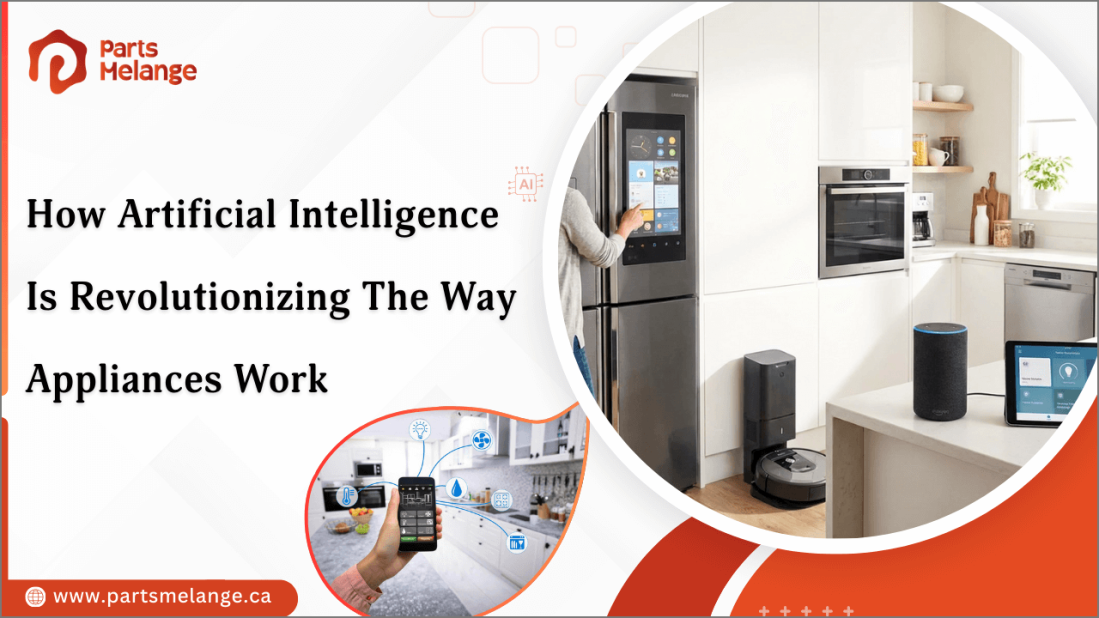
Artificial Intelligence (AI) is rapidly changing how household appliances operate, shifting them from simple mechanical tools into intelligent systems that can learn, adapt, and optimize performance. Modern appliances are no longer limited to manual controls or fixed settings. Instead, AI allows them to analyze data, predict outcomes, and improve efficiency automatically.
From kitchen essentials to laundry equipment, AI-driven technology is enhancing reliability, reducing energy consumption, and delivering more personalized experiences. As a result, both appliance performance and user convenience are reaching new levels.
This guide explains how artificial intelligence is transforming everyday home appliances, the key benefits it delivers, and what this evolution means for modern homes.
The Rise of AI-Powered Smart Appliances
One of the biggest changes in modern appliances is the use of AI-powered smart technology. Today’s appliances are designed to understand how they are used and adjust automatically, making them easier to operate, more efficient, and more responsive to everyday needs without repeated manual settings.
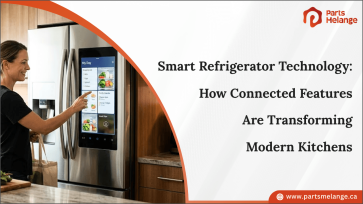
Smart Refrigeration Through AI Integration: Modern AI-enabled refrigerators use built-in sensors and intelligent controls to monitor internal temperature, humidity, and usage patterns. Based on door openings and storage conditions, the refrigerator automatically adjusts cooling levels. This helps keep food fresh for longer while avoiding unnecessary energy use.
Precision Cooking with AI-Driven Controls: AI is also transforming cooking appliances. Smart stoves and ovens use intelligent temperature management to preheat efficiently, distribute heat evenly, and adjust cooking time based on the food being prepared. Many models can automatically shut off once cooking is complete, improving both energy efficiency and kitchen safety.
Smarter Airfrying with Adaptive Technology: AI-powered air fryers rely on adaptive airflow and temperature control. By detecting food quantity and density, the appliance adjusts cooking time and heat levels automatically. This results in evenly cooked food, reduced guesswork, and lower power consumption.
Together, these AI-driven advancements highlight the growing demand for appliances that are smarter, more efficient, and better suited to real-world household usage.
How AI Enables Predictive Maintenance and Self-Diagnostics
One of the most practical benefits of AI in appliances is predictive maintenance. Instead of waiting for a breakdown, AI-enabled systems continuously monitor performance data to identify early signs of wear or malfunction.
Appliance Category | What AI Monitors | Common Issues Detected | User Benefit |
Dishwashers | Water flow, spray pressure, wash performance | Poor cleaning, drainage issues, inefficient wash cycles | Early alerts prevent poor cleaning results, reduce repair costs, and avoid unexpected downtime |
Dryers | Airflow, moisture levels, operating temperature | Lint buildup, ventilation blockages, overheating | Improves safety, drying efficiency, and appliance lifespan |
Mixers & Blenders | Motor load, speed consistency, heat levels | Motor strain, blade imbalance, overheating | Automatic speed adjustment or shutdown protects the appliance and ensures safer operation |
Washing Machines | Load balance, vibration levels, water intake | Unbalanced loads, excessive vibration, inlet issues | Early guidance reduces wear and long-term damage |
By identifying problems before they turn into major failures, AI-driven diagnostics help extend appliance life, enhance safety, and ensure smoother, more reliable operation for everyday use.
Energy Efficiency and Sustainability Through Artificial Intelligence
Energy efficiency has become essential in modern homes, yet many appliances still rely on fixed cycles that waste resources. AI transforms this approach by optimizing performance based on actual usage needs.
Identifies Energy and Resource Waste
Traditional appliances often use fixed cycles that do not change based on actual usage. Refrigerators may overcool, ovens may waste heat during preheating, and dishwashers may use more water and energy than necessary for small or lightly soiled loads.
AI-Based Performance Optimization
AI helps appliances work more efficiently by adjusting performance in real time.
AI-powered refrigerators adjust compressor activity based on door openings, room temperature, and internal load to avoid unnecessary energy use.
Smart stoves and ovens minimize preheating time, distribute heat evenly, and shut off automatically after cooking.
AI-enabled dishwashers use intelligent sensors to decide how much water and energy are needed for each wash, instead of relying on preset cycles.
Smart trash compactors, where available, run compression cycles only when required, reducing power usage.
Connects Benefits to Sustainability and Savings
By matching appliance operation to real needs, AI-powered appliances help households save energy, reduce water usage, and lower utility bills. At the same time, they support eco-friendly living without requiring users to change how they use their appliances.
Personalized User Experiences with AI-Driven Automation
AI-powered appliances are designed to adapt to user habits, making everyday tasks easier and more personalized. By learning how appliances are used over time, AI reduces manual effort and delivers consistent performance.
Smart Cooking Preferences: AI-enabled airfryers, mixers, and blenders remember commonly used temperatures, speeds, and cooking times.
User experience: Cooking becomes faster and easier, with consistent results and no need to reset controls every time.
Adaptive Refrigeration Control: Smart refrigerators track storage patterns, door usage, and temperature preferences.
User experience: Food stays fresher for longer, and users can easily track and manage settings through smart apps.
Personalized Laundry Cycles: AI-powered washing machines learn fabric types, detergent preferences, and commonly used cycles.
User experience: Laundry routines are simplified, with better fabric care and fewer manual adjustments per load.
Overall, AI-driven automation creates a smoother and more intuitive appliance experience. By adapting to user behavior, smart appliances reduce effort, save time, and deliver reliable performance across everyday household tasks.
Summary: The Future of AI in Household Appliances
The future of household appliances is becoming smarter, more efficient, and easier to use with the help of Artificial Intelligence. AI allows appliances to learn from daily use, predict problems before they happen, save energy, and adjust automatically to user preferences. This means less manual effort, fewer breakdowns, and better performance over time.
As AI technology continues to improve, appliances will become more connected and capable of working together to simplify everyday tasks. From cooking and cleaning to cooling and laundry, AI-driven appliances will play a key role in creating more comfortable, reliable, and stress-free homes.
Shop trusted home appliance replacement parts at PartsMelange to support the smart performance of modern appliances. Find quality parts for airfryer, dishwasher, dryer, refrigerator, oven, mixer, and washing machine designed to keep your appliances efficient, reliable, and working their best.
References:
https://pmc.ncbi.nlm.nih.gov/articles/PMC12526510/
FAQs
What benefits do AI-powered appliances offer compared to traditional appliances?
AI-powered appliances provide smarter automation, improved energy efficiency, predictive maintenance, and personalized user experiences, resulting in lower operating costs and longer appliance lifespan.
Do smart appliances with AI require an internet connection to function?
Basic AI functions often work offline, but features like remote control, software updates, and advanced analytics typically require an internet connection.
Do AI-enabled appliances require regular software updates?
Yes. Software updates help improve performance, fix bugs, enhance security, and enable new AI-driven features, ensuring appliances continue to operate efficiently over time.




Please complete your information below to login.
Sign In
Create New Account