
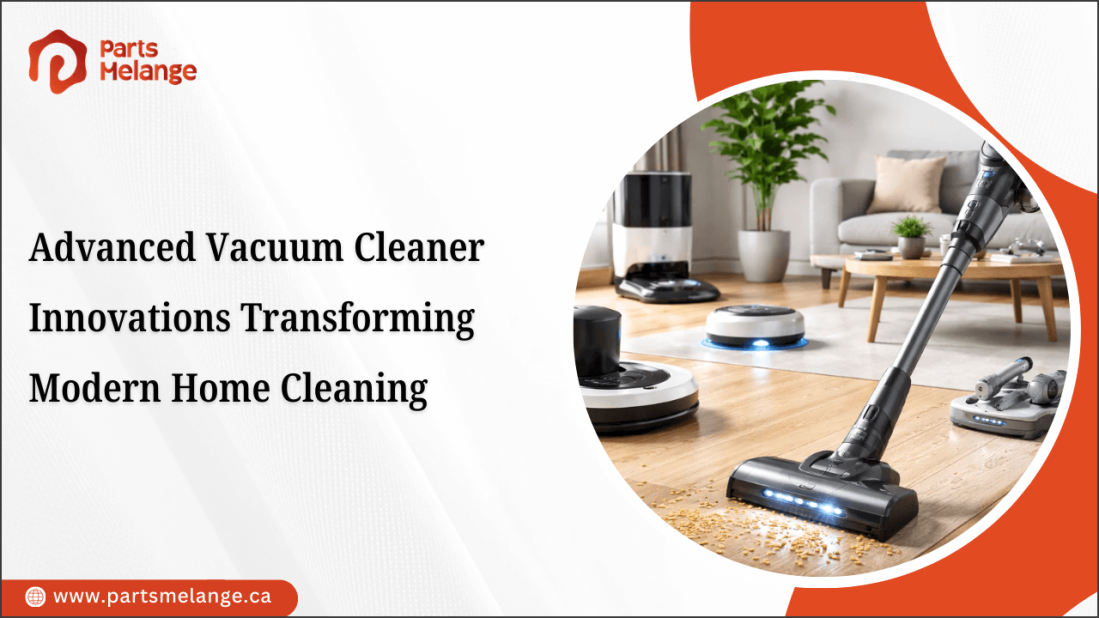
Modern homes require cleaning solutions that are smarter, faster, and more efficient than ever before. Vacuum cleaners have evolved from basic dust-removal machines into advanced systems designed to handle everyday cleaning with greater precision and ease.
Today’s models can map rooms, adjust suction power automatically, and improve indoor air quality while using energy more efficiently. Such advancements reduce cleaning time while supporting healthier, more sustainable homes.
This blog explains how advanced vacuum cleaner technologies are transforming modern home cleaning and shaping the future of intelligent floor care.
The Evolution of Smart and Automated Vacuum Cleaning
Vacuum cleaning technology has evolved dramatically over the years, moving from heavy manual machines to intelligent, automated systems. Early vacuum models were bulky and corded, designed mainly to provide strong suction for basic cleaning tasks. While effective at removing visible dust, they required significant physical effort and regular maintenance.
Key stages in this evolution include:
Bulky corded models focused primarily on suction power
Lightweight upright and canister designs for improved portability
Bagless systems that simplified dust disposal and reduced costs
Cordless models offering greater mobility and convenience
Robotic cleaners are introducing automation and hands-free operation
Smart systems with sensors, mapping, and programmable features
Today’s vacuum cleaners reflect a shift toward automation and smart home integration. With intelligent navigation and independent operation, modern models make routine cleaning faster, easier, and far more efficient than ever before.
Cutting-Edge Innovations Redefining Vacuum Cleaner Technology
Cutting-edge innovations are transforming vacuum cleaner technology, turning traditional cleaning machines into smart and highly efficient systems for modern homes. Today’s models go beyond basic suction by using sensors, automation, and energy-saving features to improve performance and convenience.
The table below highlights the key innovations shaping modern vacuum technology and explains how each feature benefits users.
Innovation | How It Works | Key Benefit |
Smart Navigation & Mapping | Uses advanced sensors and digital mapping to scan rooms and plan efficient cleaning routes | Complete coverage with less time and fewer missed spots |
Self-Emptying Dustbins | Transfers gather dust and debris into a sealed base station automatically after cleaning. | Reduced manual maintenance and improved hygiene |
High-Efficiency Filtration Systems | Captures fine dust, allergens, and microscopic particles through multi-stage filtration | Cleaner indoor air and healthier living spaces |
Cordless High-Performance Batteries | Delivers strong suction using rechargeable lithium-ion batteries with extended runtime | Greater mobility, flexibility, and uninterrupted cleaning |
Adaptive Surface Detection | Automatically recognizes different floor surfaces and optimizes suction accordingly. | Optimized performance and better energy efficiency |
App & Voice Integration | Connects to mobile apps and voice assistants for remote control and smart scheduling | Convenient hands-free operation and automation |
Eco-Friendly Design | Incorporates energy-saving motors, washable filters, and durable components | Lower power consumption and reduced environmental impact |
Together, these innovations demonstrate how vacuum cleaners have evolved into smarter, more convenient, and environmentally responsible cleaning solutions for connected homes.
Explore the Benefits of Dishwashers Featuring UV Cleaning Systems, and discover how these advanced appliances ensure hygienic, efficient, and sparkling-clean dishes every time.
How Intelligent Features Improve Cleaning Efficiency and Home Health
Smart technologies in modern vacuum cleaners do more than automate cleaning—they improve overall performance and create a healthier home environment. By combining precision navigation, adaptive power control, and advanced filtration, these systems ensure deeper cleaning with less effort and better results.
Systematic Cleaning Patterns: Advanced navigation systems follow planned routes instead of random movement, ensuring complete floor coverage and fewer missed spots.
Automatic Suction Adjustment: Smart sensors adjust suction power based on surface type, optimizing energy use while maintaining strong and consistent cleaning performance.
Self-Emptying Convenience: Hands-free dust disposal minimizes interruptions during cleaning cycles and reduces direct contact with dirt and allergens.
Advanced Filtration for Cleaner Air: High-efficiency filtration systems trap microscopic particles, helping reduce airborne allergens and improving indoor air quality.
Together, these intelligent features enhance both cleaning efficiency and home comfort. By minimizing dust recirculation and optimizing performance, modern vacuums help maintain cleaner floors and fresher indoor air with less manual effort.
Sustainability and Energy-Efficient Cleaning Solutions
As environmental awareness grows, vacuum cleaner design is increasingly focused on reducing energy consumption and minimizing waste. Modern models aim to deliver powerful cleaning while using fewer resources, making them more environmentally responsible without compromising performance.
Energy-Saving Motors and Eco Modes: Advanced motors are designed to consume less electricity while maintaining strong suction power. Eco modes further optimize performance by adjusting power usage for lighter cleaning tasks.
Washable and Reusable Filters: Reusable filtration systems reduce the need for frequent replacements, helping minimize waste and lower long-term maintenance costs.
Efficient Battery Technology: High-capacity batteries provide longer runtime with improved energy efficiency, reducing overall power consumption during operation and charging.
Durable and Lightweight Construction: Long-lasting components extend product lifespan, while lightweight materials require less energy to operate and improve overall efficiency.
Together, these sustainable innovations help reduce environmental impact while maintaining reliable cleaning performance, supporting a more eco-friendly approach to modern home maintenance.
Summary: The Future of Intelligent Floor Care in Connected Homes
Vacuum cleaner technology is advancing toward greater automation, smarter connectivity, and improved sustainability. Future models are expected to include enhanced AI learning, quieter operation, longer battery life, and deeper smart home integration—making cleaning faster and more efficient.
As homes become more connected, vacuum cleaners will function as integrated systems within smart ecosystems. With improved energy efficiency, better air filtration, and automated scheduling, they will continue to simplify home maintenance while supporting healthier and more sustainable living environments.
Key Takeaways:
Vacuum cleaners are evolving into intelligent, automated systems
AI and smart integration will enhance convenience and efficiency
Improved filtration supports healthier indoor air quality
Energy-efficient designs promote sustainability
The future of floor care focuses on smarter, connected home solutions
Shop reliable vacuum cleaner parts at PartsMelange to maintain strong suction and extend appliance life. Also explore quality replacement parts for dishwashers, dryers, refrigerators, stoves & ovens, air fryers, and mixers to keep your home running efficiently.
References:
https://www.automate.org/editorials/evolution-of-robotic-cleaners-for-the-home
https://www.woodguide.org/best-industrial-vacuum-cleaner-2025-top-heavy-duty-options/
FAQs
How do advanced filtration systems improve indoor air quality?
They trap fine dust, allergens, and pet dander, preventing recirculation and keeping indoor air cleaner and healthier.
Are cordless vacuum cleaners as powerful as corded models?
Yes, modern cordless vacuums deliver strong, consistent suction with improved batteries for longer runtime and mobility.
How does a self-emptying vacuum system work?
It automatically transfers collected dust into a sealed base, reducing maintenance and limiting contact with allergens.
| Disclaimer: This blog is for informational purposes only and is intended to provide general information about vacuum cleaner technologies. It should not be considered professional or technical advice. |




Please complete your information below to login.
Sign In
Create New Account