
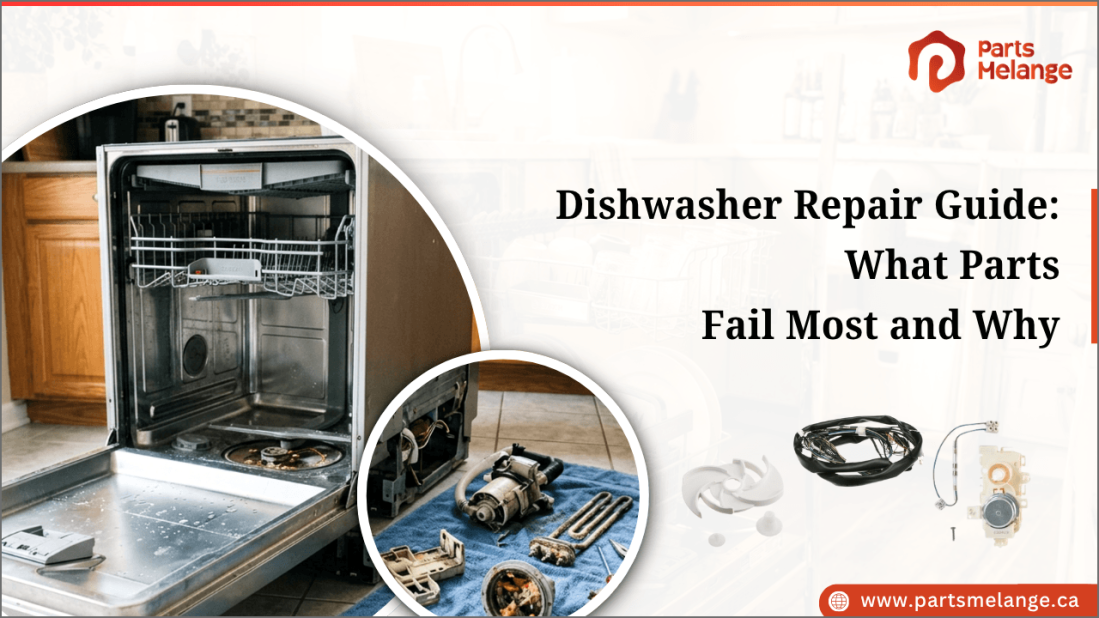
Dishwashers make kitchen cleanup effortless, but over time, about 11% of common issues are related to poor cleaning performance, often caused by key components like spray arms, drain pumps, water inlet valves, and heating elements. These parts are essential for proper cleaning, water flow, and drying, and when they malfunction, it can lead to issues like dirty dishes, standing water, or incomplete cycles.
Most failures happen due to hard water buildup, food debris, lack of maintenance, or regular wear and tear. Simple habits like cleaning filters, avoiding overloading, and using the right detergent can help prevent these problems and keep your dishwasher running efficiently for longer.
This blog explains the most commonly failing dishwasher parts, why they stop working, and how to prevent frequent repairs.
Most Frequently Failed Dishwasher Parts and Their Functions Explained
Dishwashers rely on several essential components to handle cleaning, rinsing, and drying efficiently. When any of these parts start to fail, the overall performance of the appliance is affected, making it important to understand their roles and how they contribute to smooth operation.
Below are the most commonly failing dishwasher replacement parts and their key functions:
Spray Arms: Distribute pressurized water to clean dishes evenly across all racks.
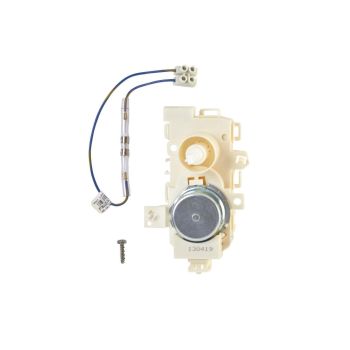
Water Inlet Valve: Controls the flow of water entering the dishwasher during each cycle.
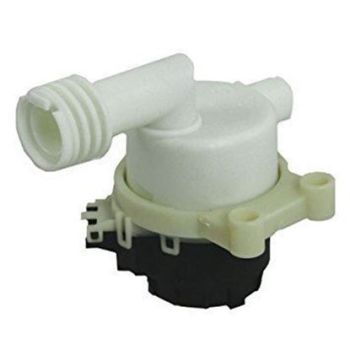
Drain Pump: Removes dirty water from the appliance after the wash cycle.
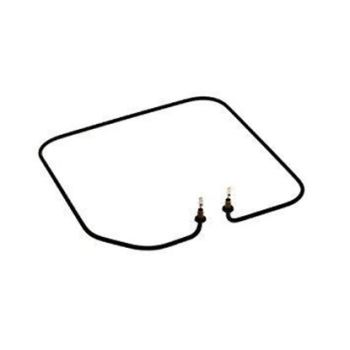
Heating Element: Heats water and helps in drying dishes at the end of the cycle.
Door Latch Assembly: Ensures the door is securely closed for safe operation.
Dishwasher Filter: Traps food particles and debris to prevent clogging.
Circulation Pump: Pushes water through the spray arms for effective cleaning.
Float Switch: Monitors and maintains the correct water level inside the dishwasher.
Control Board: Manages and controls all dishwasher functions and cycles.
Detergent Dispenser: Releases detergent at the right time during the wash cycle.
Understanding these components helps in quickly identifying which part may be affecting performance and allows timely action before minor issues turn into major repairs.
Top Reasons Why Dishwasher Parts Fail Over Time
Dishwasher parts usually fail over time due to constant exposure to water, heat, detergent, and food particles. Combined with regular usage and lack of maintenance, these factors slowly reduce the efficiency of internal components and lead to performance issues.
Below are the most common reasons why dishwasher parts fail over time:
1) Hard Water Buildup Causing Low Water Pressure
If dishes come out with white spots or detergent residue, the issue is often mineral buildup inside spray arms and inlet valves. This reduces water pressure, so dishes on the top rack remain dirty even after a full cycle. Over time, it can also damage the heating element, leading to poor drying results.
2) Food and Grease Blocking Spray Arms and Filters
Food particles and grease that are not properly rinsed off dishes can collect in filters, spray arms, and drain systems. This buildup blocks water circulation and forces the pump and motor to work harder during each cycle. As a result, components experience increased strain, leading to reduced performance and eventual failure.
3) Worn-Out Pump Leading to Noisy Operation or Weak Cleaning
Dishwasher components such as motors, pumps, and seals are designed for repeated use but gradually lose efficiency over time. Continuous operation across multiple cycles causes internal parts to weaken, resulting in reduced water pressure, slower operation, and increased noise. This type of wear is unavoidable but can be slowed with proper maintenance.
4) Overloading Causing Uneven Cleaning Results
Placing too many dishes in the dishwasher restricts water movement and prevents the spray arms from rotating freely. This leads to uneven cleaning and forces internal components to operate under higher pressure. Over time, this added stress can damage spray arms, motors, and racks, reducing the lifespan of key parts.
5) Detergent Residue Leaving White Film on
Using too much detergent or low-quality products can leave residue inside the dishwasher. This residue can clog spray arms, coat internal components, and reduce cleaning effectiveness. In some cases, excessive detergent also creates foam buildup, which interferes with proper water circulation and places additional strain on the pump system.
These factors often work together, gradually affecting the performance of the dishwasher and leading to frequent dishwasher repairs or replacement if not addressed on time.
Warning Signs That Indicate Dishwasher Parts Need Replacement
Dishwasher parts rarely fail suddenly, so they usually show early symptoms before completely breaking down. Recognizing these warning signs early can help you identify faulty components and prevent bigger repair issues or costly replacements.
Below are the most common warning signs that indicate dishwasher parts may need replacement:
Dishes Coming Out Dirty: When dishes are still dirty or have residue after a full cycle, it often indicates issues with spray arms, filters, or water circulation.
Standing Water at the Bottom: Water left inside the dishwasher after a cycle usually points to a drain pump failure or drainage blockage.
Dishwasher Not Starting: If the appliance does not start, it may be due to a faulty door latch, control board issue, or electrical problem.
Unusual Noises During Operation: Grinding or rattling sounds often indicate worn-out pumps, motor issues, or debris inside components.
Poor Drying Performance: Wet dishes after a cycle may suggest a faulty heating element or drying system issue.
Longer Wash Cycles: Extended cycle times can indicate poor heating efficiency, clogged filters, or failing internal sensors.
Water Leakage: Leaks around the door or bottom of the dishwasher often point to damaged seals, loose connections, or faulty valves.
Burning Smell or Electrical Odor: A burning smell may indicate overheating components or electrical faults in internal parts like the motor or control board.
These warning signs should not be ignored, as early detection and replacement of faulty dishwasher parts can help restore performance and prevent further damage to the dishwasher.
Best Practices to Prevent Dishwasher Parts Failure and Extend Lifespan
Proper maintenance and correct usage habits can significantly reduce wear on dishwasher components and improve long-term performance. Following simple dishwasher repair tips helps avoid frequent breakdowns and costly repairs.
Below are the best practices to keep your dishwasher running efficiently:
Practice | What to Do | Benefit |
Clean Filters Regularly | Wash the filter frequently to remove food particles | Improves water flow and cleaning efficiency |
Avoid Overloading | Do not overcrowd dishes inside the dishwasher | Prevents strain on spray arms and pumps |
Use the Right Detergent | Use the recommended dishwasher detergent | Avoids residue buildup and protects parts |
Clean Spray Arms Periodically | Remove and clean spray arms to clear blockages | Ensures proper water distribution |
Check Water Quality | Use soft water or a water softener if needed | Reduces mineral buildup on components |
Run Hot Water Before Cycle | Let hot water run before starting the dishwasher | Improves cleaning and reduces heating load |
Inspect Seals and Gaskets | Check door seals for wear or damage | Prevents leaks and maintains pressure |
Schedule Basic Maintenance | Perform routine checks and cleaning | Detects issues early and extends lifespan |
Following these best practices consistently can help extend the lifespan of your dishwasher and ensure it operates efficiently with fewer repairs.
Explore Top Benefits of Dishwashers Featuring UV Cleaning Systems to learn how UV technology improves hygiene and cleaning performance.
Summary: Smart Repairs Start with Knowing What Fails First
Understanding which dishwasher parts fail most often helps you quickly identify problems and take the right action before they become costly repairs. Components like spray arms, pumps, valves, and heating elements play a crucial role in performance, and even a small issue in these parts can affect the entire cleaning cycle.
By recognizing common failure reasons, warning signs, and following basic maintenance practices, you can improve efficiency and extend your dishwasher’s lifespan. Staying proactive not only saves money but also ensures consistent performance over time.
Key Takeaways
Most dishwasher issues are linked to a few commonly used components
Early warning signs help prevent major breakdowns
Regular maintenance reduces wear and improves performance
Proper usage habits can extend the lifespan of parts
Timely replacement of faulty components avoids costly repairs
Understanding what fails first is the key to smarter, faster, and more cost-effective dishwasher repairs.
Shop quality dishwasher parts at PartsMelange to fix common failures, improve cleaning performance, and extend appliance life. Also explore reliable parts for air fryers, dryers, refrigerators, stoves & ovens, and mixers.
FAQs
How do I know if my dishwasher pump is bad?
A faulty pump often shows signs like standing water at the bottom, unusual noises during operation, or poor water circulation. If the dishwasher is not draining properly, the pump may need inspection or replacement.
Why is my dishwasher not cleaning dishes properly?
This can be caused by clogged spray arms, dirty filters, low water pressure, or a faulty pump. Improper loading and using the wrong detergent can also affect cleaning performance.
How often should dishwasher parts be replaced?
Dishwasher parts have no fixed schedule, but commonly used components may need replacement every few years depending on usage, water quality, and maintenance. Regular inspection helps determine the right time.
Is it cheaper to repair or replace a dishwasher?
Repairing a dishwasher is usually cheaper if the issue is minor or involves a single part. However, if the appliance is old or repairs are costly, replacement may be more economical.
Disclaimer: This blog is for informational purposes only and is intended to provide general guidance on dishwasher repair, maintenance, and troubleshooting. |







Please complete your information below to login.
Sign In
Create New Account